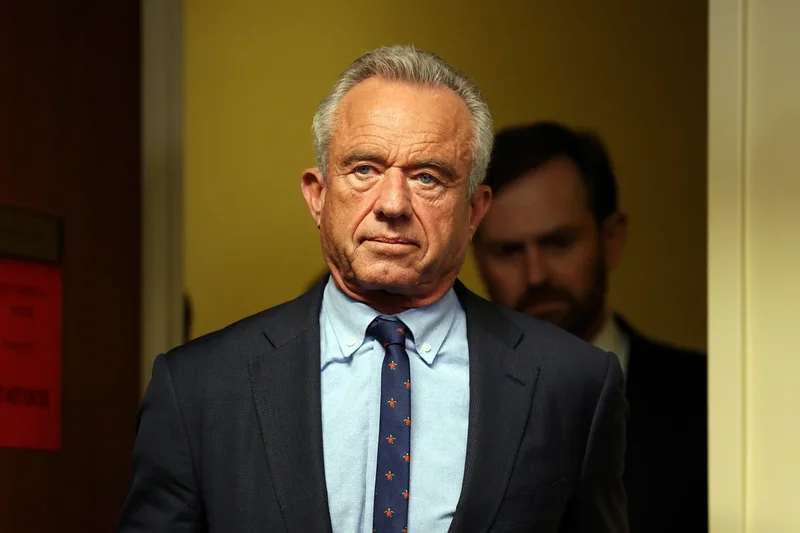
Robert F. Kennedy Jr., the Health and Human Services Secretary with a history of boosting unproven health claims, wants to expand public access to peptide injections. Scientists warn there isn’t enough evidence to do so.
The two sides are gearing up for a showdown Thursday as an FDA advisory committee meets to discuss whether certain pharmacies should be allowed to produce seven peptide injections – which the FDA previously banned.
Peptide injections, which consist of amino acid chains injected directly into the body, are all the rage in the wellness industry. Podcasters Joe Rogan and Andrew Huberman have both claimed that the injections can help heal injuries. Hollywood stars like Jennifer Aniston have touted their anti-aging benefits.
“I’m a big fan of peptides; I’ve used them myself and used them with really good effect,” Kennedy said on “The Joe Rogan Experience” podcast in February.
Despite the trend, scientists have warned against widespread public use because peptide injections have yet to be deemed safe or effective.
In briefing documents submitted to the FDA’s Pharmacy Compounding Advisory Committee, some experts warned that the peptides are “extremely sensitive” to formulation and environmental conditions and lack evidence that they treat the conditions claimed.
Since the FDA removed more than a dozen peptides from compounding pharmacies’ list in 2023, the injectables have been sold online as “research grade.”
Pharmaceutical compounding is the process of mixing ingredients to create customized medication for a patient.
In scientific reviews of one of the more popular peptides, BPC-157, which is often marketed as a way to treat injuries, experts said there was a general lack of evidence, effectiveness and safety information.
One document warns that a peptide, MOTS-c, marketed online to promote the metabolism of fatty acids in the liver, insulin resistance and weight loss, hasn’t been proven safe for human use in compounded drugs.
Some peptides have limited research in animals, such as rats, that indicates they could promote wound healing or reduce inflammation. But the research is limited, much of it untested on humans, and has shown severe side effects.
Of the seven peptides being reviewed, experts said none should be made available for compounding.
Members of the FDA advisory committee vote on proposals but FDA officials make the final recommendation to the commissioner. Ultimately, Kennedy can overrule the FDA’s decision.
Before being confirmed as President Donald Trump’s Health and Human Services Secretary, Kennedy had said he wanted to end the FDA’s “war on public health,” including “its aggressive suppression” of peptides.
In recent months, Kennedy has argued the U.S. “created the black market” system by removing peptides from the FDA.
Kennedy, who often promotes alternative, sometimes unproven, medical advice, is known for being skeptical of science-backed medical information. He has a long history of sharing misinformation about well-established vaccines and promoted baseless conspiracies about the causal link between vaccinations and autism.
Under his HHS leadership, he’s fired career scientists and staff at key public health agencies and installed like-minded allies into crucial roles.