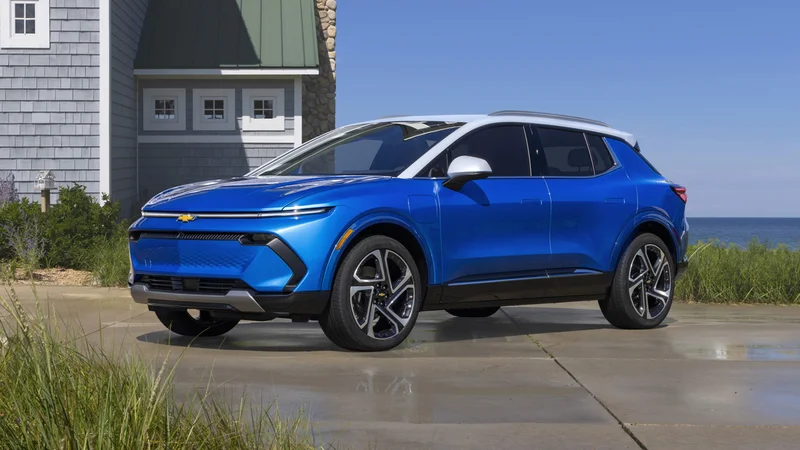
While PC builders, enthusiasts, and gamers are some of the most heavily affected by the AI-driven memory chip shortage, experts have also been warning that this will eventually hit the automotive sector. It seems that their fears have come true, as Nikkei Asia reports that two major automakers are increasing their prices precisely for this reason. General Motors said that it expects new vehicle prices to increase by 0.3% this year, changing its previous projection of vehicle costs to remain the same or even slightly more affordable. On the other side of the world, Chinese automotive giant BYD has also raised the prices of the driver assistance features by 20%, which it sells separately from its models. South Korea’s Hyundai also called on domestic chip manufacturers to strengthen the local supply chain.
GM Chief Financial Officer Paul Jacobson said during the carmaker’s earnings call that GM expects its costs to increase by $1.5 to $2 billion, which is mostly driven by increasing prices of vehicle components, especially DRAM. While most people wouldn’t equate cars with memory chips, the increasing number of features and technologies that buyers expect from new models means that engineers and designers must add more memory compared to models from the past.
Micron said in 2023 that the average vehicle used 90GB of DRAM and NAND, and it’s expecting this combined requirement to jump to 278GB by 2026, with high-end models requiring up to 2TB. A British OEM broke down the memory requirements of vehicles released this year — infotainment systems require between 4GB and 16GB, ADAS and safety systems need 8GB to 32GB, while centralized systems often have a minimum requirement of 16GB and could go as high as 64GB or more. And as AI assistants start becoming available on cars, these systems will require at least 256GB of memory. In fact, Micron predicts that cars with level 4 autonomy will need at least 300GB of RAM, as they’re essentially supercomputers on wheels.
Note that automotive memory isn’t just any high-end chip that you can get from wafer production lines. Instead, these are specialized parts that take months or years to be validated for vehicle use. That’s because they must withstand various environmental factors that cars go through, from weather and constant road vibrations to extreme heat and cold.
All this means that the current memory chip shortage will have an outsize effect on the automotive industry and push prices even higher. This is bad news for the average car buyer, who is already facing record-high prices for new vehicles. And if the chip shortages continue, we might experience delays in vehicle deliveries and a lack of availability worse than what we experienced in 2021 during the height of port closures due to the pandemic.
Get Tom's Hardware's best news and in-depth reviews, straight to your inbox.
Jowi Morales is a tech enthusiast with years of experience working in the industry. He’s been writing with several tech publications since 2021, where he’s been interested in tech hardware and consumer electronics.