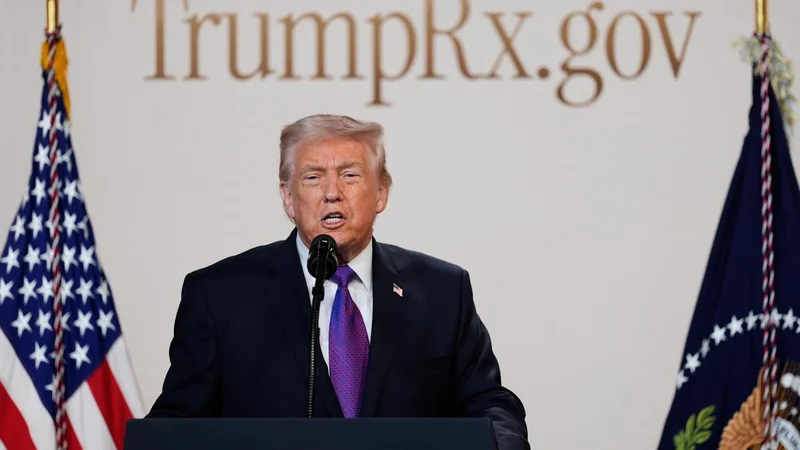
U.S. President Donald Trump paused the planned rollout of punishing new tariffs on Canadian goods late Tuesday (August 18, 2026), as both sides indicated they were close to a broader trade agreement after weeks of talks.
Mr. Trump announced the three-day reprieve from 50% duties on select goods mere hours before a midnight deadline.
The delay was “based on the fact that Canada and the U.S.A., subject to the finalization of documents, have a DEAL!” Mr. Trump wrote on his Truth Social platform.
Canadian Prime Minister Mark Carney was less definitive, saying “substantial progress has been made” towards a comprehensive trade deal, but “there is important work still to be done.”
Ottawa and Washington have held intense negotiations on revising their existing deal, the United States-Canada-Mexico Agreement (USMCA), which Mr. Trump signed and praised during his first term but now says needs to change.
The U.S. Trade Representative’s office said on X that the pact between Washington and Ottawa is set to “include comprehensive market access for all American goods, economic security commitments, digital trade alignment” and other provisions.
A proclamation by Mr. Trump to pause the duties added that the suspension came about as “Canada has expressed a commitment to remove the discriminations or unreasonable and unequal impositions at issue.”
Mr. Carney said the prospective deal aims to “address outstanding trade issues and deliver greater certainty and real benefits for Canadian businesses, workers, farmers and families.”
“Discriminatory treatment”
Mr. Trump had signed orders for the 50% duties last month, with the White House alleging “discriminatory treatment” by Canada against U.S. alcohol, automobile and dairy products.
The new tariffs would cover products such as wine, hockey sticks and cement.
They target around 5.5% of Canada’s exports to the United States, worth about $20 billion, Oxford Economics estimates.
While this only poses a “modest” negative risk to Canada’s economy, Oxford Economics said in a recent report that the duties would “affect central Canada’s manufacturing sector much more severely.”
Canadian negotiators have been in Washington to push for a deal to avoid the new tariffs and also secure relief on Mr. Trump’s sector-specific duties, which have battered Canada’s auto, steel, lumber and aluminum industries.
Ottawa reportedly offered concessions like pressuring provinces to put U.S. alcohol and wine back on their shelves.
Without going into details, Mr. Trump added in his Truth Social post: “The great Keystone XL Pipeline, long ago killed by Sleepy Joe Biden, may be awoken from the grave!”
Mr. Trump has previously called for the revival of the controversial project opposed by environmental activists, which was blocked under his predecessor Joe Biden.
Political concerns
“It’s not unusual for a trade negotiation to go right up to the deadline,” former U.S. commerce official Christopher Padilla told AFP.
He expects that the Trump administration threatened new tariffs to try and win early concessions from Canada as the countries negotiate new terms for the USMCA.
Oxford Economics anticipates that manufacturers who stand to be most impacted include those in the cement, paper, printing, wood, clothing and electronic equipment sectors.
With the U.S. Supreme Court striking down many of Trump’s global tariffs earlier this year, the president had tapped an untested legal provision for the new duties targeting Canada.
The U.S. duties will not apply to Canadian energy, potash or goods already facing sectorspecific tariffs, but are set to hit products covered by the USMCA.
Mr. Trump’s trade envoy Jamieson Greer previously said the tariffs aimed to “hold Canada accountable” for its retaliation against the United States.
Provinces have taken U.S. alcohol products off their shelves, he said, and “given better market access to dairy products from the European Union” among other actions, Mr. Greer said in July.
Published - August 19, 2026 10:35 am IST