It might be hard to remember, but smart home assistants were pretty dumb when they first came out. It was only a couple of years ago when LLMs started to integrate with current products, making them more useful and powerful. That shift really made devices better.
Each company offered these new and improved products in its own way, and Amazon chose to paywall its Alexa+ service for Prime members. The good news is that paywall is finally coming down, with Alexa+ being available to all users for free.
Free is good, right?
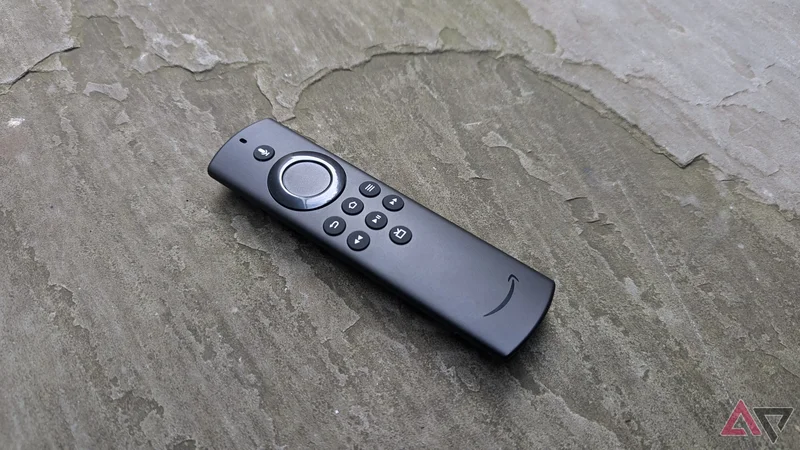
It won't be on all devices, but Amazon announced it will make Alexa+ available for free on Fire TV devices. It's rolling out starting today to those in the United States. Going forward, Fire TV users can have conversations with Alexa to get things done.
Amazon says customers will get "an intelligent voice experience that understands context, remembers your preferences, and delivers better, more relevant recommendations." We don't think anyone will be complaining about the new system.
You won't have to stick with a stiff, structured format when asking for help, with Alexa+ keeping things looser with casual interactions and even follow-up questions. Again, if you've never used anything like this, it's a world of difference.
Naturally, you can use Alexa+ to control other compatible smart products in your home. You can also use Alexa+ to do some shopping, which is especially convenient. If you own a Fire TV device, we highly recommend that you give it a try.
This isn't just for streaming devices; it's also compatible with third-party products. Those outside the US will want to keep an eye out. Amazon has stated that "additional devices and regions may be added over time."
Amazon Alexa isn't for everyone. While it's a pretty good system, it mostly caters to those using Amazon's ecosystem. If you're someone who's an Amazon shopper and a Fire TV device user, that's when you're going to get the most out of it.
We've tested out all the major options out there when it comes to personal assistants, and there really isn't one answer for everyone. It really comes down to what device you use and what's natively supported. You'll get better integration by sticking with the same brand.
You can see how tricky that can be when you have different brands for your phone, tablet, TV, and smart home products.