On Tuesday, August 18, 2026, burial teams in protective gear buried two children, ages 3 and 6, in Bunia, eastern Congo. Both had died of Ebola while cases continued to rise across the region.
Congo’s Ministry of Health counted 5,021 confirmed infections and 2,378 deaths through August 16, 2026, according to figures reported by the Associated Press (AP) and the European Centre for Disease Prevention and Control. The outbreak has overtaken the country’s 2018–2020 epidemic as its largest and now ranks second worldwide behind the 2014–2016 West Africa epidemic.
The outbreak crossed 1,000 cases within 40 days of the response beginning; Congo’s 2018 outbreak took about 235 days, according to the Centers for Disease Control and Prevention (CDC).
Read More: A Rare Ebola Virus Is Spreading in Central Africa — What To Know About the Bundibugyo Strain
A Rare Virus Drives Congo’s Ebola Outbreak
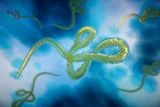
Bundibugyo virus, a type of Ebola virus first identified in Uganda in 2007, is causing the epidemic. Before 2026, authorities had documented only two related outbreaks, according to the CDC.
Officials declared the outbreak on May 15, 2026, although the Associated Press reports that transmission may have begun around the mining town of Mongbwalu in February. It is Congo’s 17th recognized Ebola outbreak since 1976.
By Aug. 16, infections had reached about 55 health zones across six provinces. Ituri accounted for about 85 percent of the country’s confirmed cases. People linked to the outbreak also tested positive in Uganda and France, but the World Health Organization (WHO)’s mid-August update recorded new cases only in Congo.
How Bundibugyo Ebola Spreads and Why Treatment Is Limited
According to the WHO, Bundibugyo virus passes between people through direct contact with the bodily fluids of someone who is sick or has died. Contaminated materials and burial practices involving contact with a body can also transmit it. The virus is not airborne, and a person cannot spread it before symptoms appear.
Symptoms can emerge 2 to 21 days after infection. Fever, fatigue, muscle pain, headaches, and a sore throat may come first, followed by vomiting, diarrhea, organ damage, and sometimes bleeding. Because the early illness can resemble malaria and other infections common in the region, lab tests are needed to confirm a case.
No vaccine or targeted medication has been approved for Bundibugyo virus disease. The licensed Ebola vaccine was developed for a different virus. The WHO is evaluating possible vaccines and treatments, including a treatment trial that had enrolled more than 100 patients by mid-August. Early diagnosis and supportive care can improve a patient’s chance of survival.
Conflict, Distance, and Distrust Complicate the Response
Stopping Ebola requires teams to find patients quickly, monitor their contacts, provide safe care, and prevent transmission during burials. Many patients in this outbreak have not appeared on existing contact lists, according to the AP, leaving workers to discover transmission chains after the virus has moved further.
According to the WHO, workers reached 17,460 of the 20,740 contacts scheduled for follow-up on Aug. 12, or about 84 percent. At least 155 health workers had become infected by Aug. 9, and 45 had died.
Armed conflict, displacement, mining-related travel, and poor roads make remote communities harder to reach. Misinformation and mistrust have discouraged some people from seeking care, while violence has disrupted medical work. The WHO recorded 12 attacks on health care between its May 17 declaration of an international public health emergency and Aug. 12.
For now, the danger remains concentrated in the region. The WHO rates the risk within Congo as very high but the global risk as low. The CDC also considers the threat to the American public low, and the U.S. has reported no cases connected to the outbreak.
Within the affected provinces, however, gaps in testing, contact tracing, and care could determine whether patients receive help in time and how many more families must prepare for a burial.
This article is not offering medical advice and should be used for informational purposes only.
Read More: Ebola Outbreak Surpasses 3,000 Cases as First Human Vaccine Trial for Rare Bundibugyo Virus Begins
Article Sources
Our writers at Discovermagazine.com use peer-reviewed studies and high-quality sources for our articles, and our editors review for scientific accuracy and editorial standards. Review the sources used below for this article:
- This article references information from the AP: Congo’s Ebola outbreak reaches 5,000 cases as it outpaces response efforts at unprecedented speed
- This article references information from the WHO: Ebola disease caused by Bundibugyo virus - Democratic Republic of the Congo
- This article references information from the CDC: Ebola Outbreak: Current Situation
- This article references information from the CDC: History of Ebola Outbreaks
- This article references information from the European Centre for Disease Prevention and Control: Ebola disease outbreak in the Democratic Republic of the Congo and Uganda