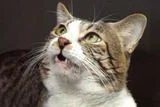
A cat pauses at a scent mark and seems to read it like a note left behind by another animal. The odor may have faded or shifted since it was left, yet the message is still clear — something was here.
Scientists may have identified part of the chemistry behind that surprisingly durable identity. In a study published in Current Biology, an international research team found that distinctive fatty acids in cat urine vary between individuals but remain relatively consistent in the same cat.
The discovery could also help explain why feline kidneys contain an abundance of mysterious lipid droplets first documented more than a century ago.
“Lipid droplets in the cat kidney have been known for more than a century, but why cats have so many of them has remained a mystery,” said lead researcher Masao Miyazaki in a press release. “Our findings suggest that one of their functions may be to support a stable chemical signature in urine.”
Cats May Carry a Chemical Calling Card in Their Urine
In the study, researchers began by confirming that cats can distinguish urine from different individuals. After repeatedly encountering the same sample, the animals gradually spent less time sniffing it. Their interest returned when urine from another cat appeared.
The reduced response could persist for months, suggesting that cats may retain long-term memories of individual urine scents.
Researchers also monitored the flehmen response — the conspicuous open-mouthed expression cats sometimes make while investigating an odor. Cats displayed it more often when smelling unfamiliar urine than their own, and repeated exposure to a single sample caused the response to decline.
“After confirming that cats can distinguish individual urine odors, we used the flehmen response as a clue to identify urinary molecules that may contribute to individual scent recognition,” explained Miyazaki.
That behavioral trail led to 13 branched-chain fatty acids, or BFAs, found in a lipid portion of the urine. When the researchers controlled other urinary lipids and changed only the BFA-containing portion, cats noticed. Animals that had grown accustomed to one sample began sniffing more after encountering another cat’s BFA profile.
Read More: Spending Time With Your Cat May Not Help Your Mood When Feeling Stressed
Solving a 100-Year-Old Cat Mystery
The biggest surprise emerged when the team searched for BFAs elsewhere in the cat’s body. The compounds appeared in the kidneys but not in the other tissues examined.
Cat kidneys are packed with lipid droplets, a feature scientists have known about for more than 100 years but have not understood their biological purpose. The new findings suggest that these droplets may store BFA-containing lipids and gradually release them into urine.
By acting as a reservoir, the lipid droplets could prevent diet, health, or other short-term changes from constantly rewriting a cat’s scent. Here, the kidney may help maintain a reliable chemical signature.
Cat Scent Research Could Help Conservation
BFA-related compounds also appeared in urine from lions, tigers, leopards, jaguars, lynxes, and Iriomote cats. That broad distribution suggests this chemical system may be widespread across the cat family, although it likely diversified as felids evolved.
Future studies could determine exactly how kidney lipids reach the urine and whether BFA profiles remain reliable throughout an animal’s lifetime. The chemistry may eventually inspire better approaches to controlling domestic cat urine odor or help scientists understand when kidney lipid storage is harmless and when similar accumulation signals disease.
It could even offer conservationists a new surveillance tool. If urine collected in the wild can repeatedly identify an individual, researchers may be able to monitor elusive and endangered cats without ever needing to see — or capture — them.
Read More: Do Animals Smile Because They're Happy? Why a Grin in Nature Doesn't Always Mean What You Think
Article Sources
Our writers at Discovermagazine.com use peer-reviewed studies and high-quality sources for our articles, and our editors review for scientific accuracy and editorial standards. Review the sources used below for this article:
- This article references information from a study published in Current Biology:Signatures of branched-chain fatty acids derived from a kidney reservoir confer stable chemical individuality on domestic cats