Over the last few years there have been countless protests, anti-tourism campaigns and plans to try and reduce the numbers of visitors on the biggest Balearic island, from limiting cars to banning tourist rentals in certain areas.
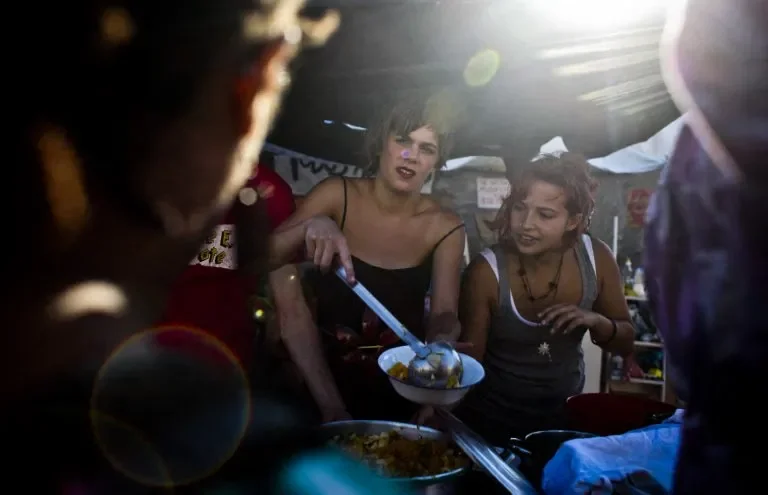
This summer, however, locals have been trying a different form of protest – communal dinners held in public squares in the capital of Palma.
The sopars a la llesca, the name for open-air dinners in the local Mallorquín language, are a revival of a once-loved tradition, which brings neighbours together every Wednesday for a communal meal.
**READ ALSO: Tens of thousands march in Mallorca in latest overtourism protest in Spain **
While on the surface it might look like a fun and social event, it’s also a way for residents to reclaim the city for themselves.
It’s sending a clear message to city authorities who they feel have neglected its residents in favour of over-reliance on tourism.
"We wanted to reclaim spaces that used to be ours but have now become completely overrun by tourism," members of Brunzit, a collective who organise these dinners told newspaper El Diario de Mallorca.
Brunzit also criticised the Palma City Council over the obstacles they have placed in the way of these dinners. "It is very difficult to organise activities aimed at residents due to excessive bureaucracy,” they complained.
READ ALSO - Taxes, bans and fines: The new mass tourism measures on Spain's Balearics
Already the residents have held four such dinners this summer and they continue to increase in popularity. One even featured a banner-making workshop in solidarity with Palestine, taking on other causes than just fighting mass tourism.
While Mallorca obviously relies a lot on tourism, locals are particularly angry about the housing situation in Palma and the rest of the island. Housing has become so expensive that many can’t afford a place to live or to move out of their parents’ house well into adulthood. Even though they have jobs on the island, the salaries simply don’t cover the extortionate housing prices there.
They residents blame tourism for taking properties off the market to turn into holiday lets and for raising the rents and cost of homes because of the proliferation of vacation properties.
They also blame tourism for the overcrowding on the island, the traffic in the summer, the packed streets in Palma and the lack of spaces on the beaches.
**READ ALSO: Spain's Palma de Mallorca to ban new tourist rentals, party boats and youth hostels **
In the past, locals have put up fake warning signs at popular local beaches to deter tourists from going, showing closed beach signs or jellyfish symbols, writing in local Mallorquín or Spanish language below that these were only put there for tourists and that locals were welcome.
Although many locals believe that authorities haven’t done enough to improve the situation, they have brought in several measures.
At the end of last year, authorities in Palma announced they want to introduce a complete ban on new tourist rentals in the city, as well as party boats and the opening of new hostels.
They also passed new legislation to say that Mallorca’s second homeowners are only allowed one car to reduce traffic on the island.
Eco-taxes were also increased to €6 per night in summer up from €4 and for cruise passengers it rose from €2 to € 6 in the high season.