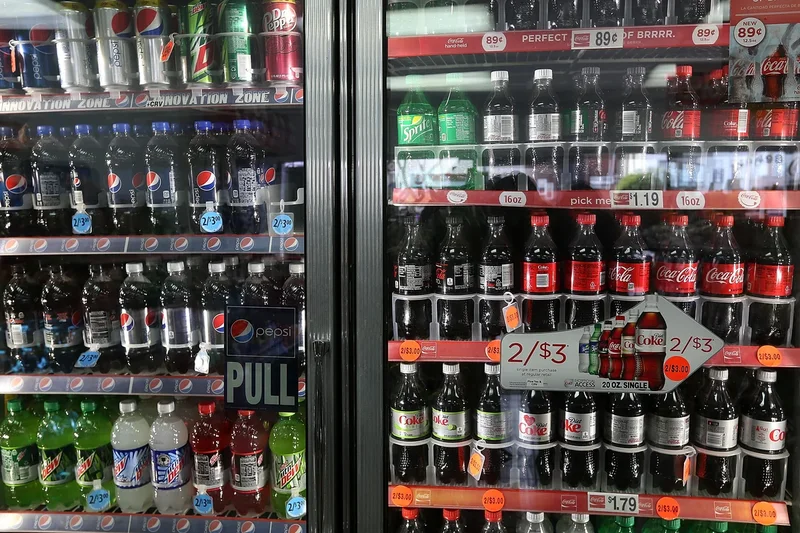
Just one sugar-laden soda a day leads to a higher risk of developing deadly stomach cancer, according to a groundbreaking new study.
Drinking at least one serving of beverages with high fructose corn syrup - including sodas, energy drinks and fruit juices - more than doubled the risk for the cancer compared to people who had less than one serving a month, according to Mass General Brigham Cancer Institute researchers, who studied data from 112,000 healthy U.S. adults.
There are 31,000 new cases of stomach cancer and 10,000 deaths expected from the illness this year, according to the American Cancer Society, but research into risk from sugary beverages has been limited.
“Gastric cancer is the fifth-leading cause of cancer death worldwide, but we’ve known very little about how diet might contribute to this cancer,” Dr. Andrew Chan, a gastroenterologist and epidemiologist at the institute, explained.
Some two-thirds of American adults report drinking these beverages daily.
While the researchers are still looking into why these beverages might increase the risk for stomach cancer, they hypothesize that it’s the high fructose corn syrup that’s the culprit. High fructose corn syrup is made from corn starch and also used in many processed and packaged foods, including baked goods, condiments and cereals.
Consuming high fructose corn syrup increases fat production and levels of harmful inflammation, both of which raise the risk of cancer, according to the Cleveland Clinic.
The inexpensive sweetener has previously been shown to indirectly fuel the growth of cancer tumors in mice.
The researchers think that it’s likely to blame in sodas because they ruled out the number one cause of stomach cancer cases, infections from the bacteria Helicobacter pylori . These infections in the lining of the stomach make up the majority of cases worldwide.
But by looking at a subset of nearly 1,000 participants of the study, the researchers found that some people had this bacteria - but they could find no association between drinking the beverages and becoming infected.
Artificial sweeteners, often used in diet sodas, did not show the same risk as fructose.
However, the study is unable to prove cause and effect yet, Chan told Fox News Digital Wednesday. "What we did see was an association. We certainly need to do more research to understand whether this association between sugary-sweetened beverages and stomach cancer is truly causal,” he said.
It’s not just drinks that could be raising peoples’ risk for stomach cancer, too. Poor nutrition and lifestyle habits have long been linked to heightened risk.
Eating food that’s been pickled in a salty brine, eating meat that’s been processed, grilled or charbroiled and not eating enough fruits increases the risk of developing the cancer, the American Cancer Society says.
Fortunately, stomach cancer is one of the rarer cancers in the U.S. - making up just 1.5 percent of new yearly cases - and avoiding these foods and drinks can help lower risk.