Muslims advised to use less water to perform ablutions
The United Kingdom's water industry regulator has advised Muslims in the country to use less water for religious ablutions - the act of washing or cleansing the body - and Asian communities to reduce water use when washing rice.
The advisory comes as part of the project by the “water efficiency in faith and diverse communities” programme funded by Ofwat, the Water Services Regulation Authority.
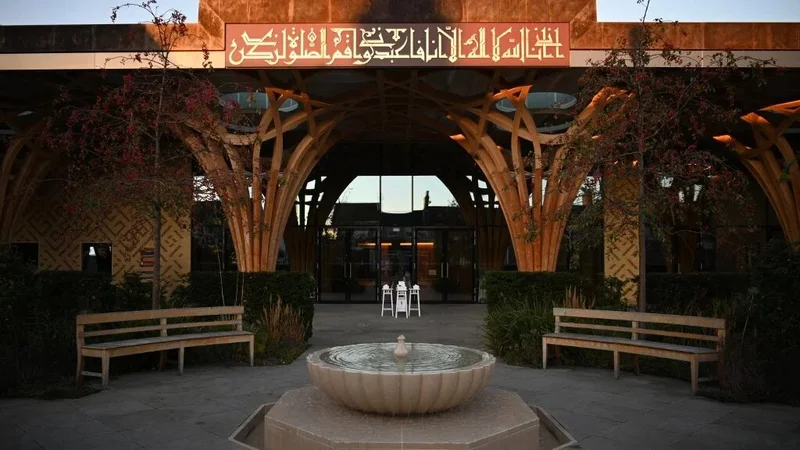
One of the project's recent initiatives was a partnership between South Staffordshire Water, the University of Cambridge's divinity faculty and the Cambridge Central Mosque, Britain's first eco-friendly mosque, as well as other organisations and water companies.
A pilot of the initiative in Cambridge encouraged local Muslims to use only one litre of water to perform their "wudu" (ablutions) before prayer.
According to Ofwat, which is a non-ministerial government department, the pilot found that using a one-litre bottle could save up to 55 litres per day per person, since many people use up to 12 litres of running water to perform their ablutions five times a day.
It is estimated that the "wudu" pilot saved up to 5,900 litres per day in Cambridge.
The initiative recommended "mass dissemination" of the guidance on Islamic television channels, but warned that water companies should not appear to be blaming Muslims for wasting more water than others.
The Prophet Muhammad is generally believed to have used no more than a litre of water to perform his ablutions.
Another initiative used £270,000 of taxpayers' money and involved Ping Coombes, a celebrity chef who won MasterChef in 2014, teaching Asians how to use less water to cook and wash rice, according to The Telegraph.
In a YouTube video, Coombes says: "It is common practice to wash your rice five to seven times till the water runs clear. It made me think, is it really necessary to wash rice so many times? I actually wash my rice only twice."
'Waste of taxpayers' money'
Critics have said water companies should focus more on fixing leaking infrastructure than on lecturing ordinary people.
In July, research by Greenpeace UK found that 2.87bn litres of water, enough to fill 1,150 Olympic-sized swimming pools, are lost from leaky pipes in England and Wales every day.
The study found that water companies are wasting five times more water through leaky pipes than a hosepipe ban would save.
Mike Wood, the shadow minister for the Cabinet Office, told The Telegraph: "Cutting down on water waste is a noble aim, but the bigger issue here is the waste of taxpayers’ money.
"Families are already facing huge bill increases; they will not be best pleased that their money is being spent on bizarre schemes centred on trying to change longstanding religious and cultural practices."
An Ofwat spokesperson told Middle East Eye: "This summer’s prolonged dry weather reminds us of the need for all of us to use water more efficiently and to be stewards of this finite, precious resource.
"This pilot worked in collaboration with water companies, charities and with multiple faith groups to provide different communities with relevant and practical suggestions to save water and finished in April 2025.
"It did not tell people what they can or can't do, or impinge on religious worship or custom."
In June the UK government launched a £75m publicity drive called Let's Save Water, urging the public to cut their daily water use by making small everyday changes.