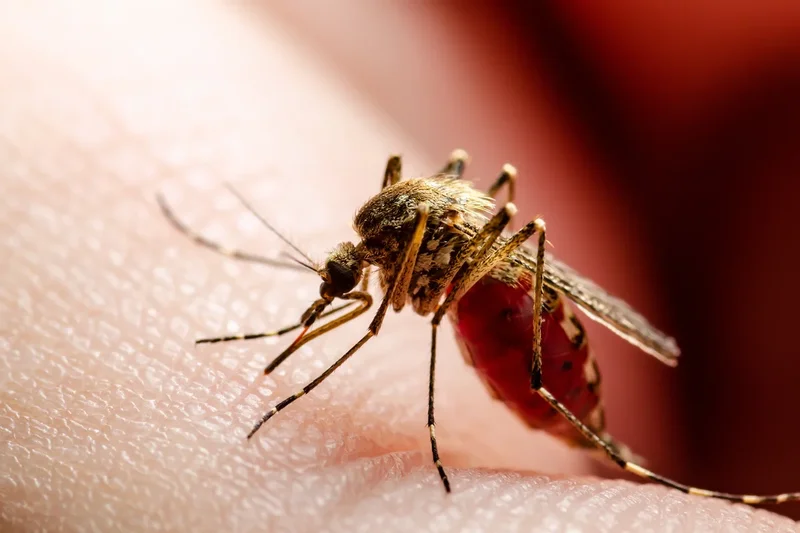
Hundreds of people across the U.S. have been sickened with a mosquito-borne illness that can cause flulike symptoms, debilitating headaches and, in rare cases, even brain swelling.
This week New York City reported its first human case of West Nile virus for the year; health officials said the infected individual may have contracted the virus outside of the city. But officials have found West Nile virus in mosquitoes across every borough of New York City this summer—and that’s not unusual.
West Nile virus is the most common mosquito-borne illness in the U.S. The latest Centers for Disease Control and Prevention update reports 222 human cases this year across 32 states, with the highest counts in Arizona, Texas and California. Most infections are asymptomatic or cause flulike symptoms that could be confused with a common cold, meaning that the true number of infections is likely far higher.
On supporting science journalism
If you're enjoying this article, consider supporting our award-winning journalism by subscribing. By purchasing a subscription you are helping to ensure the future of impactful stories about the discoveries and ideas shaping our world today.
But in some cases, West Nile can reach the brain and cause extreme headaches, meningitis, tremors, convulsions and paralysis. In very rare instances, West Nile can cause brain swelling, or encephalitis.
Summer and fall tends to mean a lot of time spent outdoors, in nature and around mosquitoes. And while this year hasn’t seen unusually high West Nile case numbers so far, it’s important to try to avoid mosquito bites altogether because no vaccine exists for the virus if you do contract it.
Culex mosquitoes are the most common carrier of the virus. These insects live all over the country and often thrive in populated environments. Some areas and cities, including New York, spray pesticides to try to prevent the spread of the virus. But health experts also recommend covering bare skin, employing mosquito nets and using insect repellent, especially at night, when mosquito bites most often occur.
The CDC recommends using insect repellents that are registered with the Environmental Protection Agency and have active ingredients such as DEET, oil of lemon eucalyptus or picaridin. If you are also using sunscreen, apply it first and put on the insect repellent second.
Air-conditioning and screens on windows and doors can also help keep mosquitoes out of your home, as can making sure there is no standing water where the insects can lay their eggs.