Thirteen households across nine districts in Bangkok have been found to have at least 16 migrant residents with pink ID cards registered at each address, prompting authorities to launch case‑by‑case investigations.
The Bangkok Metropolitan Administration (BMA) reported the findings on Friday, after all 50 district offices reviewed irregular household registrations allegedly used by foreign nationals to obtain the 13-digit ID cards for foreigners that enable access to Thai public services.
According to the BMA, 16,634 individuals holding pink cards were listed in 10,066 registered households across the capital.
Most registered households showed normal living arrangements, the BMA said, but 13 irregular registrations were detected in nine unnamed districts. These were mostly factories, flats and rental houses, each listing more than 16 migrant residents.
The cases detected were based on information collected by district offices from registration records, used to verify the accuracy and detect irregularities in reported relocations, said Pol Gen Adis Ngamchitsuksri, an adviser to the Bangkok governor.
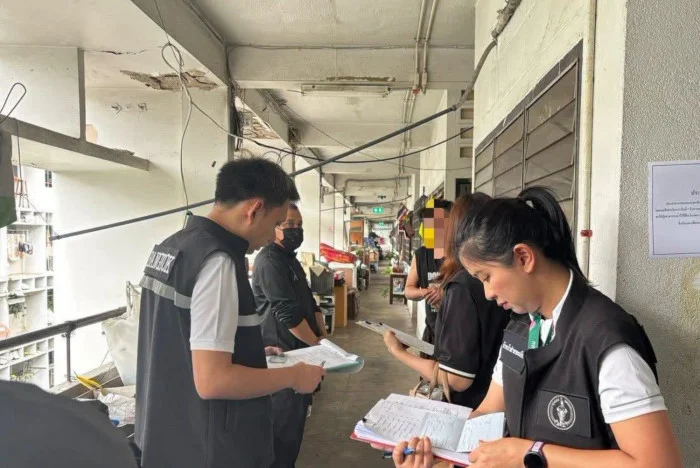
The next step will be for the BMA to assign a special task force on registration security, under the Department of Administration and Registration, to conduct in‑depth inspections.
Each case will be reviewed individually, including the actual use of the houses, the number of real residents, the relationships among those listed in the registrations, and documents related to reported moves in and out.
The latest review followed the arrest on Aug 18 of seven suspects, including three district officials, after more than 1,400 migrant children were found registered at addresses in the Din Daeng Flats public-housing project. A total of 44 rooms listed at least 16 children each.
The case has also triggered a nationwide investigation into birth registrations of migrant children claimed to have Thai fathers and migrant mothers.
- Commentary: ‘Fake father’ scam exposes deeper rot