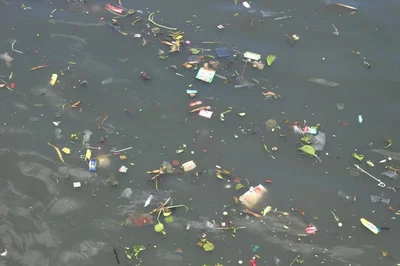
Disposable plastic cups and straws drift in the ocean / Korea Times file
Korea is spearheading a sweeping national campaign to curb plastic consumption, urging citizens to cut back on single-use items as concerns grow over global supply instability tied to the Middle East conflict, the Ministry of Climate, Energy and Environment said.
The campaign, which began Monday, runs for six months and calls on the public to adopt simple daily habits, including reducing the use of disposable cups. Officials said if 50 million people each cut one single-use cup, the country could reduce annual household plastic waste by 10 percent.
Households in Korea generated about 3.83 million tons of plastic waste in 2023, according to the ministry.
The initiative includes a set of nine guidelines aimed at reshaping everyday consumption. These include using reusable tumblers instead of disposable cups, bringing shopping bags, opting for reusable delivery containers or pickup, avoiding plastic straws and utensils, minimizing unnecessary vinyl use, supporting zero-waste stores, purchasing products made from recycled materials and properly separating waste for recycling.
Citizens, public institutions and companies can participate through an online resource circulation platform, where users pledge to follow the guidelines and upload photos to verify their efforts.
The ministry said it will also encourage public institutions and businesses to transition to reusable containers and expand educational programs targeting youth to promote long-term behavioral changes.
In collaboration with about 3,437 participating businesses nationwide — including cafes, restaurants and cafeterias — the campaign will promote reduced use of disposable items such as plastic cups, straws and utensils.
Participants who upload monthly proof of their actions will be eligible for incentives during the campaign period.
“Small habits, like cutting out one disposable cup daily, can drive significant environmental change,” Kim Go-eung, director general for resource circulation policy at the ministry, said. “We will lead efforts to encourage participation from all sectors to overcome the environmental crisis together,” Kim said.
This article was published with the assistance of generative AI and edited by The Korea Times.