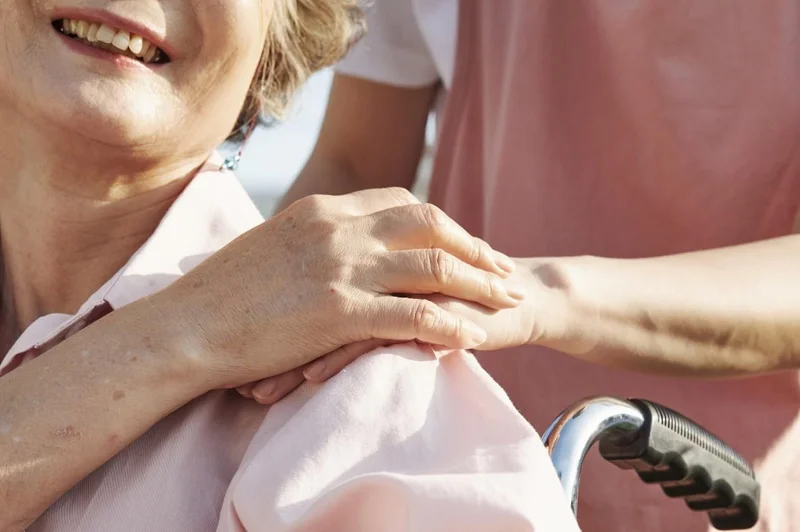
Every day, thousands of home-visit care workers step across unfamiliar thresholds into private residences. They enter these spaces alone, tasked with delivering essential health care, mobility support and housekeeping to Seoul’s most vulnerable residents. Yet behind closed doors, their workplace carries invisible hazards — ranging from sudden verbal abuse and physical aggression to sexual harassment, dangerous fall risks and exposure to infectious diseases.
To bridge a long-standing protection gap, the Seoul Welfare Foundation said Friday that it has published and distributed a comprehensive safety and rights protection guidebook tailored specifically for the city's home-visit social service workforce.
For years, frontline caregivers have had to navigate high-stress field emergencies without a standardized, action-oriented playbook. When faced with aggressive behavior or unsafe sanitary conditions, workers were forced to rely on personal intuition rather than official protocol. The new manual changes that dynamic by translating abstract safety regulations into clear, step-by-step instructions designed for immediate application during real-world crises.
The publication is structured around four core operational pillars. First, it details immediate protocols for risk prevention and emergency response to mitigate physical and environmental threats. Second, it outlines institutional support networks and legal mechanisms designed to protect worker rights. Third, it provides concrete strategies for respectful communication and deescalation during high-friction interactions. Finally, it establishes operational management and inspection manuals for field supervisors, ensuring that safety standards are monitored at every administrative level.
Rather than remaining a static theoretical document, the material is crafted to serve both individual caregivers and service agency management, ensuring consistent enforcement across the capital. The guidebook will be distributed directly to participating providers in Seoul's daily care and home-support programs, while also serving as mandatory curriculum for onboarding new hires and conducting routine in-house safety training across social service organizations.
The Seoul Welfare Foundation said the initiative underscores an essential policy realization in modern urban welfare: the safety of the caregiver directly dictates the quality of the care.
"The quality of care inevitably rises when the safety and fundamental rights of our workers are protected," said Yoo Yeon-hee, director of the Social Service Support Center at the Seoul Welfare Foundation. "This guidebook establishes practical, real-world standards for handling field hazards, helping our care workers perform their vital duties in a far safer and more dignified environment."
This article was published with the assistance of generative AI and edited by The Korea Times.