One of Andy Burnham’s first policy measures as prime minister is a 20% reduction in business rates for pubs, clubs and live music venues.
The policy, announced on Thursday, is part of a broader agenda to support the high street and will cost £100m.
So how does the policy measure up in the context of running a business and where does the money on your bar bill actually go? Also, can the rates reduction halt a trend in pub closures, running at about one a day?
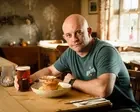
A pie and a pint, Red Lion, Hollington, Derbyshire
You pay: £20.50Pub profit: £2.97
The Red Lion serves 15 types of pie, 15 types of potato side dish, 15 types of veg and 15 types of gravy but the most common order is a steak and ale pie with chips, cauliflower cheese and onion gravy, washed down with a pint of Bass.
“We’re the place for pies,” says Dan Smith, who owns the pub in Derbyshire.
“Over the course of a week, we’d sell about 300 of them and get through about six 25kg sacks of potatoes from a farmer up the road. A local brewery does our own beer, the Pie & Glory, but the Bass is our most popular.”
Smith says he used to pay no business rates at all thanks to relief provided for rural businesses. Now he pays about £680 a year and has already seen his estimated bill oscillate several times because of successive policy tweaks, including a nationwide property revaluation.
“They’ve made it 10 times more complicated than it needed to be,” he says.
Business rates account for about 16p of a pie and a pint, he reckons, compared with VAT of £3.42.
“I’m not going to knock it [the business rate cut], it’s showing willing from Mr Burnham. But it’s a small snippet,” says Smith.
He supports a hospitality-wide campaign to cut VAT from 20% to 10%, a measure that Burnham supported when he was mayor of Manchester. That could cost the Treasury an estimated £10bn.
The breakdown
Ingredients: £6.48VAT: £3.42Staff: £3.88Employer’s taxes: £0.74Utility bills, operating costs and mortgage: £2.85Business rates: £0.16
A typical hospitality business
Turnover: £1mProfit after tax: £13,500
Packed House is a family-run consultancy that acts as a commercial director for independent hospitality businesses and provides a breakdown of annual costs for businesses with a turnover of about £1m.
Colm O’Leary, the director at Packed House, says: “We help owners who are overworked and underpaid build profitable and successful businesses.”
Costs include high rates of duty paid on alcohol that pubs buy in. Staffing costs include national minimum wage and national insurance contributions, both of which have gone up under Labour.
The estimate shows why some hospitality bosses have given only a lukewarm reception to the business rates relief package, given the scale of other costs they are facing.
The amount paid depends on the type and location of premises, but O’Leary says £5,000 would not be unusual for a business with a turnover of £1m. That means a saving from the policy of about £1,000, in line with what the government has said pubs could save.
“The speed of this policy decision is a positive sign, but the benefit is a fart in the wind compared to what is needed,” says O’Leary.
The breakdown
VAT: £166,667Net sales: £833,333Purchases: £333,333Other costs (rent, utilities, PR, travel etc): £203,333Business rates: £5,000Operating profit: £16,667Corporation tax: £3,167