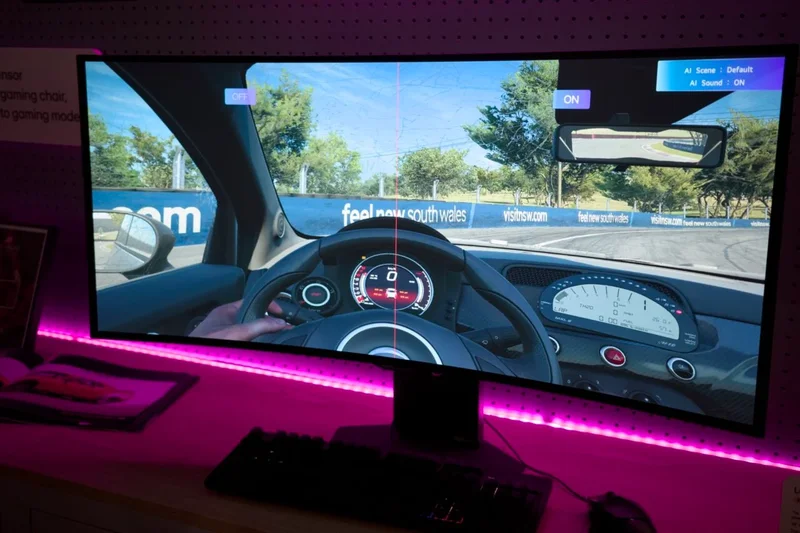
Sometimes, good things come to those who complain. Microsoft said that LG will stop shoving ads at users after they merely connect the companyâs popular monitors to their PCs. Still, that doesnât mean LG will quit auto-installing software just by connecting your screen to your HDMI port.
Over the last several weeks, LG monitor owners reported finding a mysterious âLG Monitor App Installerâ app on their PCs without their consent. It turned out the companyâs monitors pushed the app to their computers through Windows Update alongside typical screen drivers. The app wasnât just a typical third-party app store. It would also automatically show pop-up ads for services like McAfee scam protection and for LGâs own streaming service on usersâ desktops.
Over on X, Epic Games CEO Tim Sweeney was the one who finally got the attention of Windows boss Pavan Davuluri. In a follow-up tweet, Davuluri said that âWeâve connected with the team at LG and as an immediate next step, they have agreed to disable the McAfee pop-up from their app.â
Thanks again for bringing this to our attention. Weâve connected with the team at LG and as an immediate next step, they have agreed to disable the McAfee pop-up from their app. We appreciate LG working with us toward a shared goal of a better experience for our mutual customers.â¦
— Pavan Davuluri (@pavandavuluri) July 22, 2026
You could call this a win, but neither Microsoft nor LG has made any claim that these monitors wonât stop installing what’s effectively adware without permission. The monitor maker also showed pop-up ads for its own ads as well as McAfee services. Gizmodo reached out to LG again to ask if it still plans to install the LG Monitor App Installer without usersâ consent, and weâll update this post if we hear back.
LG originally defended itself in a statement to Windows Latest, saying it doesnât install McAfee without users’ consent, adding, âThe LG Monitor App Installer is distributed through Microsoftâs official Windows distribution process, which included McAfee as an option.â Itâs the kind of backwards thinking that misses the reason why customers were so annoyed in the first place.
There are other reasons to be concerned when unknown apps suddenly appearing on your PCâprivacy, for one. The screen maker further claimed that âThe LG Monitor App Installer does not access, collect, or transmit any customer personal data.â
Multiple hardware makers abuse the Windows Update pipeline to install software they didnât necessarily want. For instance, Razer automatically downloads the installer for its Synapse firmware and device controller app as soon as you plug in any of the companyâs peripherals, from a mouse to a webcam. Razer then tries to entice users to download other apps like Razer Cortexâa gaming PC optimization app that further attempts to coerce users with game deals.
Even ostensibly âdumbâ devices like a typical gaming or productivity monitor can be a trojan horse for unwanted bloatware. Microsoft would be better off keeping any product from auto-installing unnecessary software in the first place. Instead, itâs merely stopping LG from advertising on usersâ desktops. Perhaps Microsoft wants to be the only one allowed to show ads in Windows 11.