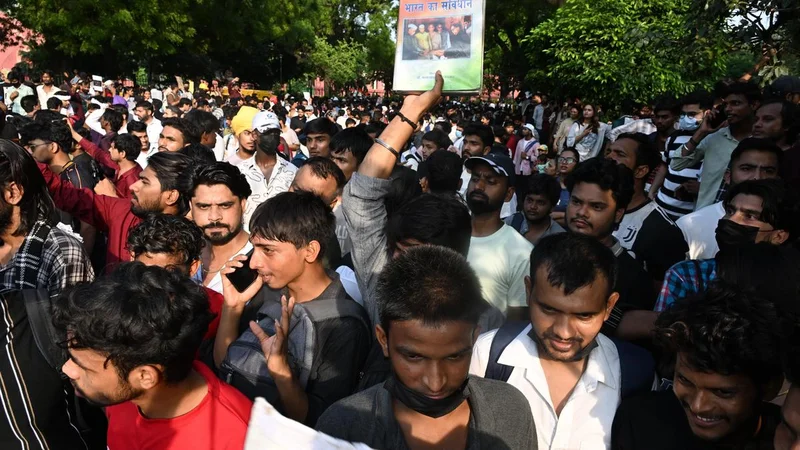
South Asians for Human Rights (SAHR), a regional network of human rights defenders, on Friday (July 24, 2026) said it is “deeply concerned” by the Government of India’s “failure” to respond promptly and transparently to the NEET (National Eligibility cum Entrance Test) examination crisis.
It said the government’s failure to accept responsibility for the NEET question paper leak triggered the ongoing student protests. “SAHR is deeply concerned by reports of excessive force used by the New Delhi Police against peaceful protesters during demonstrations on July 20, 2026, and reiterates that the rights to peaceful assembly, freedom of expression, and dissent must be respected and protected,” the network said in a statement.
It described the protests as “a legitimate expression” of democratic participation and “an important demand” for transparency and accountability in the education system. Attempts to suppress peaceful dissent through law enforcement measures risk undermining democratic governance and public trust, the Colombo-based network, with members from across the region, further said.
Earlier, responding to the police crackdown on peaceful protesters in New Delhi, rights watchdog Amnesty International India’s Chair of Board, Aakar Patel, said, “The images and reports emerging from the protest at Jantar Mantar show how peaceful dissent is being suppressed in India. The police reportedly used unnecessary and excessive force against peaceful protesters and installed barricades to prevent them from reaching parliament.”
Pointing to the suspension of metro rail services and mobile internet, he said, “The role of the authorities is to protect and facilitate peaceful protests, not to suppress them. The right to freedom of peaceful assembly is recognised under international human rights law and the Indian constitution.”
Published - July 24, 2026 08:47 pm IST