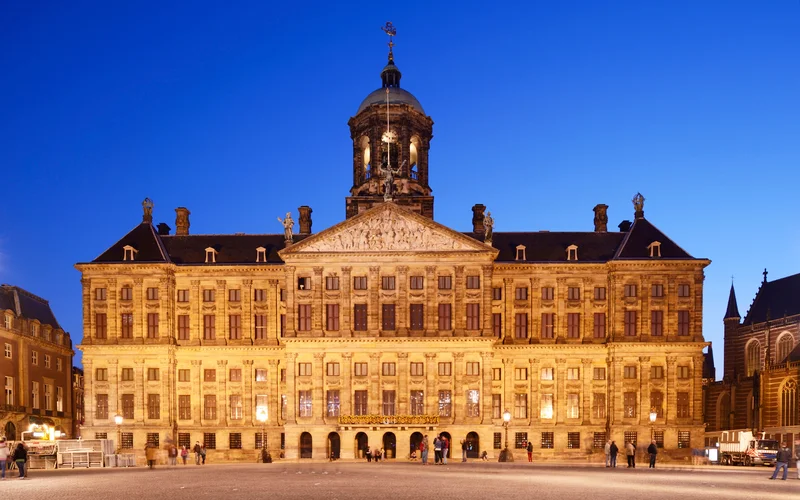
Europe Intelligence Brief — Friday, July 24, 2026
Executive Summary
Europe Intelligence Brief July 24 — Europe reels from Kyiv missile strikes and deep-drone warfare as NATO allies rush to rearm. Domestic security frays
Rio Times · Europe Intelligence Brief July 24
Europe Intelligence Brief July 24 — Europe enters the weekend on a knife-edge, battered by a fresh wave of mass-casualty strikes in Ukraine and a deepening sense of vulnerability at home. A frenzied rush to rearm grips NATO allies, while deadly violence from Paris to Bavaria frays public nerves.
From German Tomahawk missiles to a €37 billion missile pact in Ankara, the continent is hardening its defences against a perceived gathering threat. But street riots, a shopping-centre shooting, and a school attack reveal a mood of exhaustion and brittle security that no missile shield can calm.
Ukraine/Russia — Mass Strikes and Deep Drone Warfare
Kyiv Reels from Nuclear-Capable Missile
Russia launched an overnight mass bombardment on Kyiv using an Orechnik intermediate-range missile with nuclear capability, killing at least four and injuring over 80. The attack is among the most severe strikes on the capital in months, shattering a relative period of calm.
Rescue workers scrambled through damaged residential buildings as air-raid sirens continued to sound. The psychological blow of a nuclear-capable weapon landing in the capital has deepened a mood of grim resilience mixed with raw grief.
Ukraine Hits Back at Russian Fuel and Chemical Sites
Ukrainian drones struck Russian oil facilities and set two oil tankers ablaze in the Sea of Azov, continuing a relentless campaign to cripple Moscow’s fuel supply lines. A fire also broke out at an oil terminal in Novorossiisk after drone debris fell, as confirmed by local authorities.
President Zelensky confirmed a direct strike on a chemical plant in Perm Krai, far inside Russian territory. The operation builds on the June 1 ‘Spider Web’ mission, in which over 100 Ukrainian drones hit strategic bomber bases, demonstrating a deepening ability to reach distant targets.
Germany — Landmark Tomahawk Missile Deployment
A Historic Rearmament Step
Chancellor Friedrich Merz announced a deal with the United States to purchase and permanently station Tomahawk cruise missiles on German soil. The deployment marks a significant upgrade in Germany’s long-range strike capability and signals a profound deepening of the bilateral defence relationship.
The move represents a psychological turning point for a country that has long been reluctant to project military power. It reflects a new urgency in Berlin to deter what it increasingly sees as an imminent and credible threat from the east.
The 2029 Warning Driving Urgency
Germany’s top military officer, the Inspector General of the Bundeswehr, warned that Russia may be capable of attacking NATO territory by 2029. This stark assessment is driving an accelerated timetable for rearmament across the government.
The warning has crystallised a palpable sense of looming danger in German public debate, moving the conversation from whether to rearm to how quickly it can be done. The Tomahawk deal is the most visible symbol yet of this anxious shift.
France — Deadly Riots After Champions League Victory
Celebration Turns Fatal
Two people died and hundreds were arrested across France as celebrations following Paris Saint-Germain’s Champions League victory turned violent. Clashes with police, widespread property damage, and uncontrolled street gatherings erupted in multiple cities.
President Emmanuel Macron condemned the unrest and vowed that those responsible would face justice. The tragedy has punctured the national euphoria, leaving a bitter aftertaste of lawlessness and frayed public order.
A Nation Oscillating Between Euphoria and Anger
The violence captured a volatile national mood that swings sharply between collective joy and furious defiance. Images of burning cars and shattered shopfronts stood in stark contrast to the earlier scenes of footballing triumph.
For a government already battling budget crises and symbolic hostility—exemplified by the theft of a Macron waxwork from a museum this week—the riots add another layer of pressure. The President’s call for calm now faces a test of public trust.
United Kingdom — Starmer Leads £37bn NATO Missile Project
Ankara Summit Signals Strategic Assertiveness
Prime Minister Keir Starmer convened roughly a dozen NATO leaders in Ankara to advance a £37 billion next-generation missile project. The initiative aims to bolster the alliance’s collective deterrence and deep-strike capabilities at a moment of heightened threat perception.
The summit marks a significant post-Brexit moment for British defence leadership, with the UK taking a prominent convening role. It signals London’s determination to remain at the centre of European security architecture despite having left the EU.
A Continent-Wide Rearmament Sprint
The Ankara project fits into a broader pattern of European allies scrambling to upgrade their military readiness. Combined with the German Tomahawk deal and NATO’s reported $160 billion Ukraine support pledge, it paints a picture of a continent in a hurry.
Behind closed doors, defence planners acknowledge that industrial production and procurement timelines will struggle to match political ambition. But the clear signal to Moscow is that allied resolve is hardening, not softening.
Belgium/France — Outcry Over Prison Leaves for Paris Attacks Logistician
A Decision That Reopened Deep Wounds
A Brussels court granted six 36-hour prison leaves to Mohamed Bakkali, a key logistics figure in the November 13, 2015 Paris attacks and the Thalys plot. The decision is seen as a step toward eventual conditional release and has provoked a cross-border outcry in Belgium and France.
Victims’ families and politicians have reacted with anger, intensifying a painful debate on terrorism sentencing and victims’ rights. For those who lost loved ones in the Bataclan theatre and across the city that night, the ruling feels like a profound betrayal.
Security Fears and Judicial Scrutiny
The case has fuelled a broader European argument about whether prison systems adequately weigh public safety against reintegration prospects. In both Belgium and France, the political right has seized on the decision as evidence of a judicial system out of touch with public sentiment.
The timing is particularly sensitive, coming amid a week of heightened security incidents across the continent. For many citizens already on edge, the sight of a convicted terrorism logistician granted periodic freedom deepens a gnawing sense of insecurity.
Ireland and Spain — Fatal Shootings Shake Communities
Shopping-Centre Tragedy in Ireland
A man died and a child was injured in a shooting at Fairgreen Shopping Centre in Ireland, prompting a large Gardaí investigation and the closure of the centre. Police appealed to the public not to share footage of the incident online, citing the sensitivity of the case.
The shooting has rattled local communities unaccustomed to such public violence, leaving a mood of shock and vigilance. The plea to curb social-media sharing reflects growing European police concern about the viral spread of graphic content traumatising victims and families.
Double Killing of Two Scots in Fuengirola
Two Scottish men were shot dead inside Monaghans Irish bar in Fuengirola on Spain’s Costa del Sol. Spanish police have opened a homicide investigation, though the motive remains unclear.
The double killing has pierced the summer calm of an area heavily populated by British and Irish expatriates. It raises uneasy questions about expat safety and the presence of organised crime along the southern Spanish coast.
Germany — School Attack in Bavaria Fuels Security Debate
Two Girls Seriously Injured
Two girls were seriously injured in an attack at Welfen-Gymnasium in Schongau, Bavaria, triggering a large-scale police response and school lockdown. The incident has sent shockwaves through the small Bavarian community still coming to terms with what happened.
Authorities have released few details about the attacker or the motive, but the event immediately fed into Germany’s charged national debate on youth violence and radicalisation. Schools, long considered safe havens, increasingly feel like vulnerable front lines.
A Nation’s Fraying Sense of Everyday Security
Coming on the same day as the Tomahawk missile announcement, the school attack illustrates the stark duality of German anxiety: external military threats and internal social fragility. The juxtaposition has dominated evening news bulletins and family dinner tables.
For a country already on edge from far-right political consolidation and large street protests, incidents like this deepen a pervasive sense that the old certainties are crumbling. The psychological mood is one of brittle nerves, not panic, but unmistakable unease.
Politics and Religion — Consolidating Right, Shifting Faith
AfD Re-elected and Poland’s Conservative President
Germany’s conservative AfD re-elected Alice Weidel and Tino Chrupalla as co-leaders at a party congress met by large street protests. The party, which took 20.8 per cent in the 2025 federal election, is now polling first nationally in several surveys, displacing the SPD.
In Poland, conservative nationalist President-elect Karol Nawrocki remains in focus after his upset win, expected to be a tough opponent for the liberal government. His presidency could force confrontations on judicial reforms and media policy, and potentially trigger an early parliamentary election.
Vatican Declares SSPX in Schism
The Vatican formally declared the traditionalist Society of St. Pius X (SSPX) to be in schism and excommunicated its bishops. The move carries significant implications for traditionalist Catholic communities, particularly in France and Italy.
The ruling resonates far beyond Europe, touching traditionalist movements in Latin American countries like Brazil and Argentina. For a Church already navigating deep internal divisions, the declaration represents a definitive drawing of doctrinal lines.
Europe Intelligence Brief July 24: What We Are Watching
- Today — Kyiv rescue operations continue as the death toll from the Orechnik strike may rise; France assesses the full human and material cost of post-match riots.
- Today — German security services monitor the aftermath of the Bavarian school attack amid a charged national debate on youth violence.
- This week — NATO defence ministers are expected to follow up on the Ankara missile pact and finalise details of the $160 billion Ukraine pledge.
- This week — The Belgian justice system faces growing political pressure to review the Bakkali prison-leave decision amid cross-border outrage.
- This week — Polish President-elect Nawrocki is expected to outline his first legislative challenges to the liberal government’s judicial and media agenda.
- This week — Spanish and Irish police investigations into the fatal shootings continue, with potential implications for expatriate community safety.
- This week — Vatican traditionalist communities in France and Italy react to the SSPX schism declaration, with possible public protests.
- This week — Ceasefire diplomacy sputters, but the agreed Russia-Ukraine prisoner swap is expected to proceed under Turkish and US facilitation.
The Europe Intelligence Brief July 24 returns tomorrow morning.
LatAm Markets: Live Signals → — real-time movers, turnover leaders and FX across Latin America.