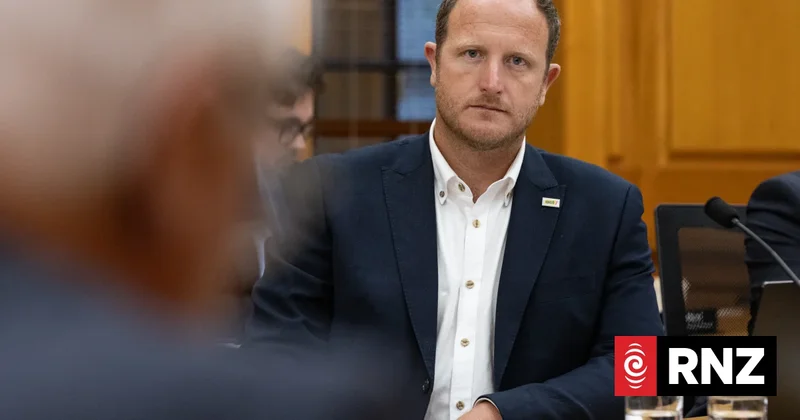
ACT wants hunters in charge of game animals on conservation land, not DOC
The ACT party wants to give hunters a "real stake in managing and looking after our conservation estate".
The party wants to transfer the responsibility for game animals on conservation land from the Department of Conservation (DOC) to the Game Animal Council.
ACT's spokesperson for conservation, Cameron Luxton, said the party's policy for hunters is about recognising them as the "conservationists they are".
The party would also recognise game animal and game-bird species as "natural resources to be sustainably managed" in legislation, and designate certain game herds, such as Stewart Island whitetail deer, as "Herds of Special Interest".
The party would reward hunters for verified conservation outcomes, improve hunting access to public land and protect lawful hunting by creating infringement offences for interfering with hunts. Interference could include the use of drones and helicopters.
ACT deputy leader Nicole McKee announced the policy at the Hunting & Wildlife Expo on the weekend.
Speaking to RNZ, Luxton said giving hunters a "real voice" in managing the conservation estate was "well overdue".
He explained the Game Animal Council was established in 2013, with the purpose of being a voice for hunters and to be involved in decisions around game animals.
But ACT wants the council to be empowered beyond just consultation, and to be funded by the money currently available to DOC for managing these animals.
"It's time government stopped getting in hunters' way and started trusting them with the responsibility they've earned."
Luxton said that DOC could not manage the country's estate alone, adding that hunting groups were already providing hundreds of hours towards conservation efforts, "looking after tracks, maintenance on huts, and importantly predator control".
He said introduced species became pests when unmanaged, but also held deep value to New Zealanders, be it "cultural value, historic value, and even meat value for the table".
"Any virtue taken too far becomes a vice, but managing our valued species is incredibly important."
He used deer that were already in the conservation estate as an example, and the ability for hunters to manage them in a way that made sense for communities that utilised them, but also for the environment they lived in.
"Hunters aren't out there trying to do damage to the environment.
"They're trying to create a healthy environment so that the animals they value and the experiences and the native bush that they value can be enhanced, not just for them but for all New Zealanders."