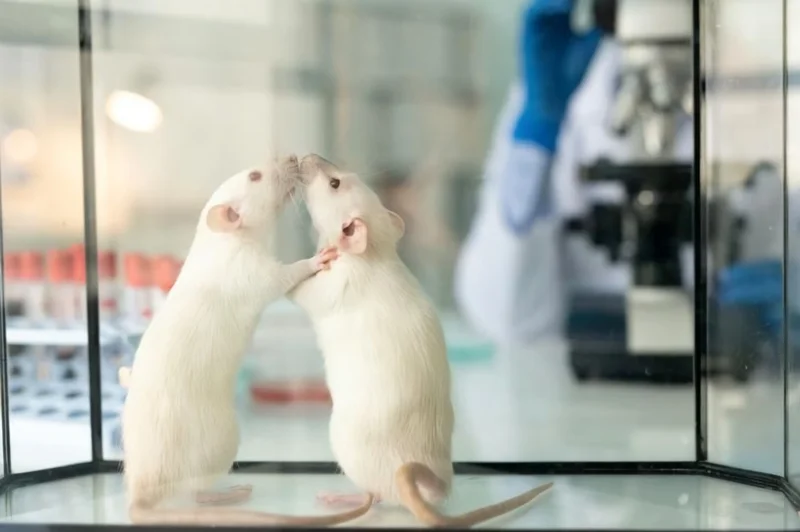
Yonsei University said Monday that a research team led by Lee In-suk, a professor at its College of Life Science and Biotechnology, has built the world's largest gut virome genome catalog for laboratory mice and demonstrated that viral data alone can accurately predict biological aging, marking a major advance in microbiome research and biomarker discovery.
The team analyzed 2,638 gut metagenomic datasets from Korea and abroad to build the Mouse Reference Gut Virome (MRGV), comprising 109,778 viral genomes representing 28,824 viral species. The world's largest catalog of its kind expands known viral diversity by about 68 percent compared with existing databases.
The researchers also reconstructed hundreds of thousands of previously unassembled viral genomes, substantially improving genome completeness.
Using the catalog, the team identified relationships between gut viruses and bacteria and conducted comparative analyses between human and mouse viromes. Notably, they showed that gut viral profiles alone can predict age of mice with high accuracy.
Many viruses most strongly associated with aging were newly identified through this study, suggesting that previously uncharacterized viral genomes contain key biological signals linked to host physiology. These findings position gut viruses as promising new biomarkers for aging and disease.
“Our team has also completed building the world’s largest genome catalogs of human gut and oral viromes and is preparing them for publication,” Lee said.
“Once the human gut virome map is complete, research into diagnostics and therapeutics using gut viruses will accelerate significantly, and microbiome research will evolve beyond a bacteria-centered paradigm to encompass viruses as well.”
The findings are expected to provide a critical foundation for developing microbiome-based diagnostics and treatments targeting conditions such as inflammatory bowel disease, obesity, diabetes and cancer.
The human body contains more than 100 trillion microorganisms, collectively known as the microbiome. While research has traditionally focused on gut bacteria, recent studies show that the microbiome also includes viruses and fungi, with viral populations in the gut rivaling bacterial numbers. Most of these viruses are bacteriophages, which infect bacteria and regulate their growth, function and gene exchange, thereby shaping the microbial ecosystem.
Despite their importance, gut virome research has lagged behind bacterial studies due to limited reference data and incomplete knowledge of viral diversity. Reflecting growing interest in the field, the U.S. National Institutes of Health recently launched the Human Virome Program to advance research on human-associated viral communities.
Lee’s study was published online on July 21 in Nature Communications.