Apple's smart glasses could beat Android XR and Meta where it matters most
Jul 27, 2026 — 3:41 AM ET
- Apple’s smart glasses are delayed to June 2027.
- The company is using the extra time to refine the glasses’ features and messaging around privacy.
- It could offer more privacy features than Meta Ray-Bans or the upcoming Samsung smart glasses.
Apple has been working on smart glasses for a long, long time now. While the company was originally expected to announce its entry into the market this year, it has since been delayed to early 2027. Now, a new Bloomberg report gives us some insight into why Apple could be delaying its smart glasses.
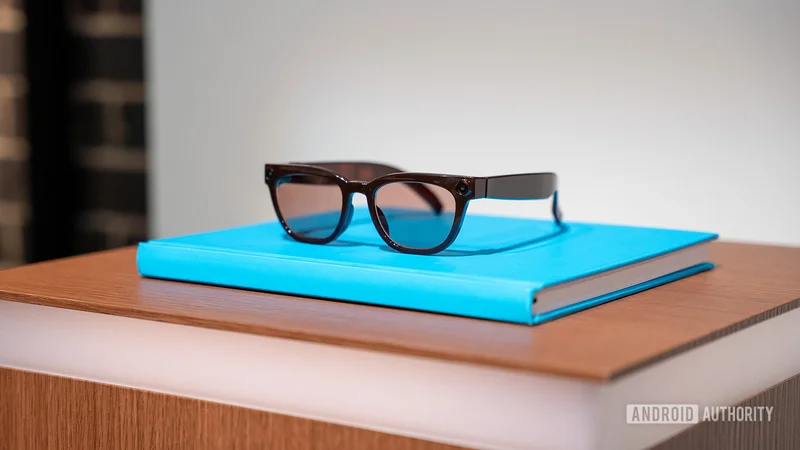
According to the report, Apple’s primary concerns with its upcoming smart glasses aren’t just features or Siri integration (though those will be important), but the privacy aspect of its glasses. So far, Meta Ray-Ban glasses are the de facto standard camera-equipped smart glasses, and the privacy implications of those glasses are known far and wide.
The report says that Apple’s engineering and marketing teams are working to develop features and policies to address privacy fears associated with camera-equipped smart glasses. Apple’s glasses will incorporate features already found in Meta’s products, such as the recording LED and the ability to prevent the camera from being used if the LED is covered or obscured, per the report.
However, the company is likely to go beyond those features to further solidify its claim that its glasses respect the privacy of those wearing them and those coming in contact with the wearer. The company could favor on-device processing and will likely explicitly avoid features like facial recognition — something Meta has been in hot water for recently. It could also avoid features like Meta’s “Super Sensing” mode that continuously analyzes the wearer’s surroundings.
Meta may have a solid lead in the smart glasses market, but other brands are also trying to make inroads. Samsung recently showed off its Android XR glasses designed with Warby Parker and Gentle Monster at its Unpacked event. They will also feature protections similar to those seen on Meta’s smart glasses, and will also have to convince users that they’re not a privacy nightmare.
However, Apple has more to lose than most other companies on this front. It has consistently sought to make privacy a defining feature of its products. Doing that for smart glasses will not be as simple as slapping on a recording LED and calling it a day. The company will have to think up ways to highlight why its smart glasses are better for privacy-minded users than anything else on the market, and that could be harder than it sounds.
According to the report, Apple has considered some other approaches as well. The company reportedly prototyped a pair of smart glasses without a camera as well. That would obviously eliminate any fears of people taking secret photos and videos, while still offering features like Siri integration, the ability to make and receive calls, hear notifications, and listen to music using built-in speakers. The report also states that Apple executives even debated making smart glasses with a camera that would only feed visual information to Siri, without the ability to take pictures or record videos.
If Apple can figure out better privacy protections for its smart glasses (and a way to convince people of those protections), it could beat Meta, Samsung, and Android XR in the one place that matters the most — privacy. Apple is now expected to announce its smart glasses in June at WWDC 2027 and is said to be planning a consumer release by the end of 2027.