One-day tours can boost local economies if managed properly, researcher says
TEHRAN - One-day tours can stimulate local economies, strengthen community ties and ease pressure on crowded tourism destinations, but only if they are supported by effective planning and management, an Iranian tourism researcher said.
Neda Razavizadeh, a faculty member at the Tourism Research Institute of the Academic Center for Education, Culture & Research (ACECR), said day trips could generate sustainable benefits for destinations while avoiding environmental and infrastructure costs if they were properly managed, ISNA reported on Monday.
According to UN Tourism, tourists are defined as visitors who stay at least one night and less than one year at a destination, while same-day visitors return to their place of origin without an overnight stay, Razavizadeh said.
Although same-day visits are not classified as tourism under the official definition, both forms of travel serve as leisure activities and have distinct economic and social impacts on visitors, host communities and places of origin, she added.
Razavizadeh said destinations located near major urban centers, including villages and recreational areas on the outskirts of large cities, could benefit economically from day visitors. Food vendors, recreational facilities, handicraft producers and other local businesses could expand their customer base by serving larger numbers of visitors, she said.
She said well-managed one-day travel could contribute to economic growth in less-developed areas while strengthening residents' sense of belonging, factors that could help reduce migration to larger cities.
Razavizadeh added that directing some visitors to nearby destinations during peak travel periods could also help reduce congestion and pressure on infrastructure in cities such as Mashhad.
One-day tours also allow visitors to experience natural, historical and cultural attractions without extended absences from daily life, while offering psychological benefits such as stress relief and a break from routine, she said.
Razavizadeh added that local, seasonal, cultural and artistic events could attract visitors while creating direct and indirect income opportunities for local businesses. “Developing an annual calendar of events could strengthen destination branding and help local businesses plan investments.”
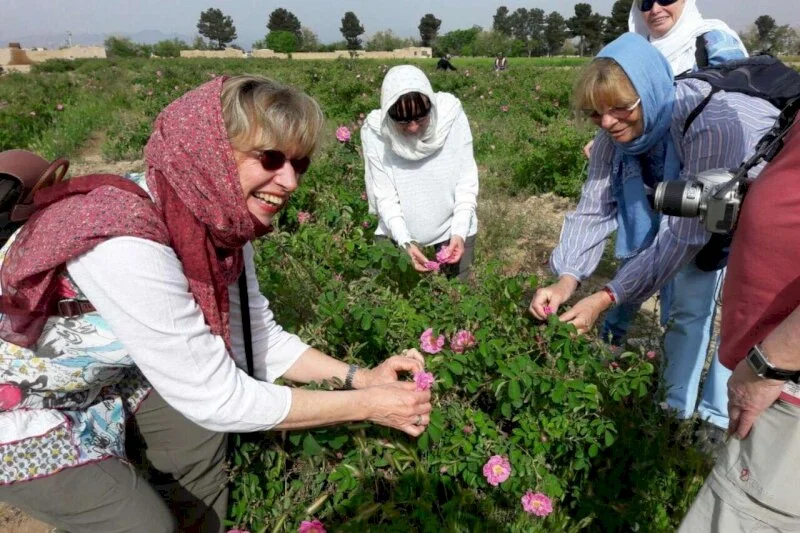
She also highlighted the potential of experience-based tourism, including agricultural tourism and participation in farming, food production and handicraft-making, as ways to increase the appeal of local destinations.
Razavizadeh cautioned that one-day visitors often place significant pressure on destinations while generating less revenue than overnight tourists. She said they typically spend less but can contribute to waste generation, environmental and noise pollution, traffic congestion and increased demand on infrastructure and natural resources.
She said managing destinations according to their environmental carrying capacity and cultural considerations was essential to ensure that short trips generate economic and social benefits rather than imposing additional costs.
Razavizadeh said there were no comprehensive figures on oversight of one-day tours, but under Iranian regulations, such tours, like multi-day trips, should be organized by licensed travel agencies and accompanied by tour guides certified by the Ministry of Cultural Heritage, Tourism and Handicrafts to ensure compliance with professional standards, including safety, security and insurance coverage for participants.
AM