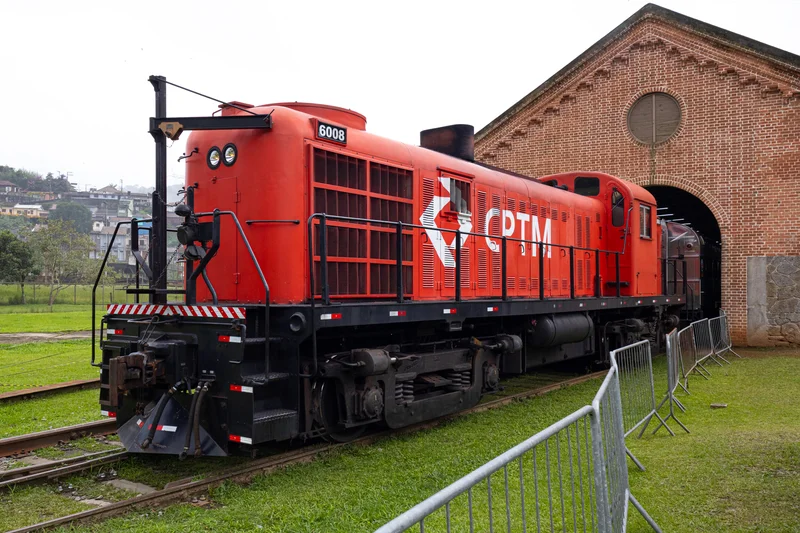
Rumo Hits Record 23.8 Billion TKU in Second Quarter
Brazil Logistics
Brazilian rail giant Rumo posted a record 23.8 billion TKU in the second quarter, beating market expectations and reinforcing its role as the backbone of the country’s agricultural export corridor.
A new operational peak for Rumo
Rumo transported 23.8 billion tonne-kilometres useful (TKU) in the second quarter, the highest quarterly volume in the company’s history. The figure climbed from 21.8 billion TKU in the same period a year earlier, marking a solid 9% expansion.
TKU is the rail industry’s standard metric, measuring one tonne of cargo moved over one kilometre. A number this large reflects both heavy loading and the long distances Brazilian grains travel from the interior to port.
The result landed ahead of analyst projections. BTG Pactual had estimated roughly 23 billion TKU, making the beat a positive signal for investors tracking Brazil’s logistics sector.
Soybeans drive the Rumo 23.8 billion TKU record
Agricultural commodities dominated the quarterly performance. Soybean shipments alone exceeded 4 billion TKU in June, the strongest single month within the quarter.
Brazil’s record soybean harvest created exceptional demand for rail capacity. Producers in Mato Grosso and Goiás relied heavily on Rumo’s network to move crops toward the Port of Santos.
Corn and fertiliser volumes also contributed, but soybeans were the clear engine. The crop’s weight and the distances involved make it the single most important commodity on Rumo’s balance sheet.
Live Company IntelligenceRumo S.A — the full investor dossier
Valuation & profitability
Price & risk
$12.1652-wk high
$17.33
Revenue trend · 6y
R$13.85B
Ownership
Dividend
What Rumo does.Rumo S.A., through its subsidiaries, engages in the rail logistics operation. The company operates through North Operations, South Operations, and Container Operations segments. The North Operations segment is involved in the railway, highway, and transshipment operations. The South Operations segment comprises of rail and transhipment operations in the area of Rumo Malha…
June performance and the quarterly breakdown
In June alone Rumo moved 7.98 billion TKU, with agricultural products dominating the mix. That single month nearly matched the entire quarterly volume of some smaller Brazilian rail operators.
The second-quarter trajectory showed accelerating momentum. April and May built steadily before June delivered the peak, reflecting the seasonal rhythm of Brazil’s safrinha corn harvest and the tail of the soybean export window.
Operational efficiency also played a role. Rumo has invested heavily in rolling stock and track upgrades, allowing faster train cycles and fewer bottlenecks on the critical route to Santos.
Market reaction and the investor read-through
RAIL3 shares rose about 2.7% following the operational update. The move reflected relief that volumes had outpaced even optimistic forecasts in a quarter when global trade tensions weighed on Brazilian equities broadly.
For investors, Rumo functions as a proxy for Brazilian agribusiness health. Higher TKU means more tonnes moving, more revenue per train, and better fixed-cost absorption across the network.
The company’s concession model gives it long-duration cash flows linked to structural export growth. Each record quarter strengthens the thesis that Brazil’s farm belt will keep demanding more rail capacity for years to come.
What the numbers mean for Latin American logistics
Rumo’s performance underscores a broader regional trend: rail is gaining share from trucks on long-haul agricultural routes. The economics favour trains when diesel prices rise and road infrastructure strains under heavier harvests.
Other Latin American commodity exporters are watching closely. Argentina’s Belgrano Cargas and Paraguay’s grain corridors face similar bottlenecks, and Rumo’s model offers a template for private-sector rail investment.
For expats and foreign investors in Brazil, the rail story is a concrete way to track the real economy. When TKU rises, it means physical goods are moving, ports are busy, and the export engine is firing.
What to watch next
The third quarter will test whether Rumo can sustain momentum as the soybean export window narrows. Corn and sugar volumes typically pick up, but the base effect becomes more challenging.
Investors should also monitor the progress of Rumo’s extension projects, including the Lucas do Rio Verde line in Mato Grosso. New track opens fresh catchment areas and could push TKU figures even higher in future cycles.
Any shift in global soybean demand, particularly from China, would flow directly into Rumo’s volumes. For now, the operational trend points firmly upward.
Frequently Asked Questions
What does 23.8 billion TKU mean for Rumo?
It represents the total cargo moved multiplied by distance travelled, making it the most comprehensive measure of rail output. The figure is a new quarterly record for the company and beat analyst estimates of roughly 23 billion TKU.
It signals strong operational execution and high demand from Brazil’s agricultural sector.
Why did soybean shipments drive the record?
Brazil harvested a record soybean crop, creating exceptional volumes that needed to reach export terminals. Soybeans alone exceeded 4 billion TKU in June, the peak month of the quarter.
The crop’s weight and the long distances from Mato Grosso to Santos make it the dominant commodity on Rumo’s network.
How did the market react to Rumo’s operational update?
RAIL3 shares rose about 2.7% after the figures were released. The gain reflected investor relief that volumes had surpassed even optimistic forecasts.
The stock is widely held as a play on Brazilian agribusiness growth and infrastructure modernisation.
LatAm Markets: Live Signals → — real-time movers, turnover leaders and FX across Latin America.