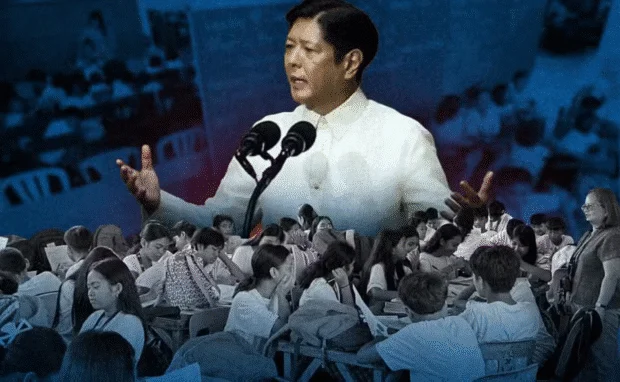
Sona promises must now translate into results
CEBU CITY, Philippines — Many, including local officials and business communities here in Cebu, welcomed the promises and accomplishments President Ferdinand ‘Bongbong’ Marcos Jr. bared in his penultimate State of the Nation Address (Sona).
The challenge now is whether the Marcos administration, with only two years left, can translate these into concrete and impactful results.
“The challenge is not whether these policies sound good. The real question is whether they can be implemented effectively and whether ordinary Filipinos will actually feel the benefits,” said Cebuano economist Fernando “Perry” Fajardo.
Marcos devoted much of his July 27 address to anti-corruption efforts and the economy, proposing a higher income tax exemption threshold, relief for small businesses, power sector reforms, stronger agriculture support, digital transformation initiatives, and continued infrastructure spending.
READ: Sona 2026: President Marcos’ key quotes and highlights
But Fajardo said a Sona should be read as a list of commitments, not accomplishments.
The real test will unfold over the next year, as the proposals move through legislation, get funded in the national budget and are carried out by government agencies, he pointed out.
“Economic success should ultimately be measured by improvements in people’s quality of life, not just by impressive GDP figures or investment announcements,” said Fajardo.
Pronouncements
Like many in Cebu, the economist welcomed the proposed tax relief for workers and small businesses, which could boost consumer spending and encourage entrepreneurship.
He also welcomed the administration’s push to lower electricity costs through power sector reforms, calling high energy prices one of the country’s biggest obstacles to industrialization and competitiveness.
But agriculture, he added, needs renewed attention given how repeated bouts of food inflation have exposed the sector’s vulnerability to supply disruptions, climate shocks and production inefficiencies.
“Investing in irrigation, logistics, post-harvest facilities, research, and farmer support is essential if the country is to achieve genuine food security,” he added.
On infrastructure, project selection should be guided by sound economic analysis rather than political considerations, with every peso spent expected to generate measurable returns.
Similarly, transparency in procurement and implementation is just as important as the spending itself, Fajardo explained.
He also pointed to the President’s anti-corruption message as a key signal to investors, whom he said value predictability, transparency and the rule of law as much as tax incentives.
Reducing corruption, Fajardo said, strengthens public confidence and makes the Philippines more attractive to both local and foreign capital.
The 2026 Sona laid out an ambitious economic agenda, but the task now is converting those commitments into measurable outcomes.
“In governance, credibility is built not by promises alone, but by consistent delivery,” said Fajardo. “That is the standard by which this administration — and every administration — should ultimately be judged.”
Disclaimer: The comments uploaded on this site do not necessarily represent or reflect the views of management and owner of Cebudailynews. We reserve the right to exclude comments that we deem to be inconsistent with our editorial standards.