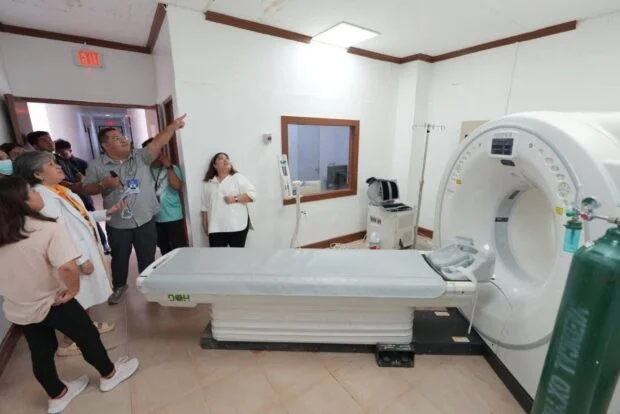
No upfront deposits for emergency care in Capitol-run hospitals
LAPU-LAPU CITY, Cebu — Cebu Governor Pamela Baricuatro ordered provincial and district hospitals to uphold existing laws requiring them to provide emergency care without asking patients for deposits or advance payments.
Baricuatro issued Executive Order No. 42 on July 23, 2026, reinforcing the policy across the province’s 16 hospitals to ensure that patients receive immediate treatment before any applicable billing and collection.
Emergency care comes first
The order reiterated Republic Act No. 10932, or the Anti-Hospital Deposit Law. This prohibits hospitals from requiring deposits or advance payments before providing basic emergency care, confinement, or treatment in emergency or serious cases.
“Patients shall first be stabilized and treated; billing and collection…shall proceed only after the appropriate medical service has been rendered,” the order stated.
It also required hospitals to provide available medical, surgical, obstetric, and diagnostic services to emergency and serious cases within their facilities.
24/7 PhilHealth assistance
Under the order, patients should receive healthcare services at provincial hospitals when those facilities can provide the treatment they need.
“No such patient shall be unjustly deprived of available government health services or referred to private health facilities in a manner that results in out-of-pocket expenses,” the order read.
Provincial and district hospitals must ensure round-the-clock personnel who can verify and process PhilHealth membership and coverage.
This, the order said, prevents delays in patient assessment, admission and treatment.
READ: Bantayan hospital now offers surgical procedures
No Balance Billing
The personnel must be available during nights, weekends and holidays. Hospitals need to establish shifting or on-call arrangements and designate backup personnel.
Patients with active PhilHealth membership and coverage must receive all needed available healthcare services.
PhilHealth will treat them as No Balance Billing patients. The No Balance Billing policy protects eligible PhilHealth members from being charged for any excess amount in their hospital bills.
Hospital staff must endorse poor and indigent patients without active PhilHealth membership and coverage to medical social workers for financial assistance. Hospital personnel need to help them complete PhilHealth registration requirements.
Medicines and hospital resources
The executive order also directed hospitals to maintain adequate stocks of available medicines, supplies, and diagnostic services. They must use these resources before referring patients to other facilities.
Personnel may not direct patients to buy medicines, supplies or healthcare services from outside sources when these are available at the hospital, unless there is a valid reason.
Hospitals may collect applicable fees only through official hospital billing and collection procedures and by authorized collecting clerks.
Payments and complaints
Patients, relatives or members of the transacting public may file complaints over violations through forms available at the hospitals or the Provincial Health Office.
Hospital chiefs will oversee implementation of the order. Personnel who violate its provisions may face administrative and legal sanctions.
The executive order explained that these measures aim to ensure patients receive timely and accessible healthcare services. These also protect patients from unnecessary financial burdens.
“It is the policy of the Provincial Government of Cebu to protect poor and indigent patients from financial catastrophe, encourage positive health-seeking behavior, and facilitate early diagnosis and treatment of health conditions among the public served by all its hospitals.”
Disclaimer: The comments uploaded on this site do not necessarily represent or reflect the views of management and owner of Cebudailynews. We reserve the right to exclude comments that we deem to be inconsistent with our editorial standards.