As international tourism rebounds and the number of foreign residents increase across Korea’s bustling maritime hub, officials in Busan have issued a citywide operational playbook aimed at closing a critical vulnerability during urban emergencies by addressing the language barriers and bureaucratic gaps that leave foreign populations vulnerable when disaster strikes.
Municipal leaders in the southern port city published the "Disaster Relief and Support Operational Guide for Foreign Residents and Visitors," Wednesday, the first systematic protocol developed by a Korean metropolitan government to institutionalize emergency care for non-citizens. The manual creates binding administrative procedures for municipal agencies, district offices and frontline emergency responders during every phase of a crisis, spanning from real-time alert broadcasts to long-term financial recovery.
The initiative responds directly to shifting demographics in Korea's second-largest city.
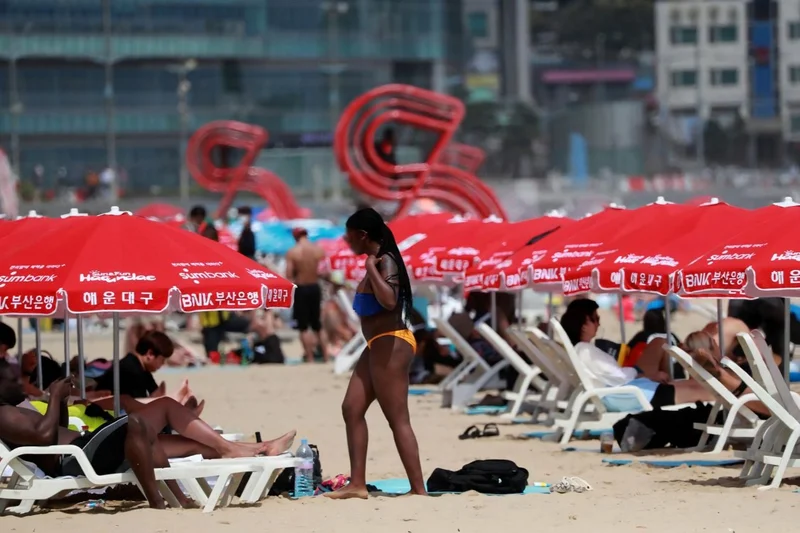
Busan recorded over 88,000 registered foreign residents in late 2024 and welcomed more than 3.6 million international travelers in 2025. However, during crises such as severe typhoons, urban fires or industrial accidents, foreign nationals frequently face delays and difficulties receiving life-saving evacuation notices, locating temporary shelters and accessing emergency medical care due to language barriers and unfamiliarity with local administrative systems.
To remedy these disparities, the new framework establishes a comprehensive, three-stage response mechanism grounded in international law, local ordinances and national disaster relief acts. In the initial phase, authorities must dispatch multilingual text alerts, send on-site interpreters directly to disaster zones, report casualties swiftly to foreign embassies and assign dedicated civil servants and translators to offer psychological support to victims and their families. During the emergency phase, foreign nationals must be guaranteed access to temporary shelters, basic relief kits, living subsidies and medical assistance. Finally, the recovery phase standardizes long-term compensation processing through municipal safety insurance, commercial policies and charitable relief funds.
Going forward, city officials plan to integrate these operational guidelines into mandatory municipal disaster drills while maintaining active, real-time coordination networks between regional fire departments, police agencies, translation services and foreign diplomatic posts across the city.
"In a disaster, no one should be excluded from rescue, relief or recovery support simply because of their nationality or language," said Lee Byung-seok, head of Busan’s Civic Safety Bureau. "This guide gives field responders a clear, consistent roadmap to ensure aid reaches every victim swiftly and equitably, providing essential reassurance to all who live in or visit our city."
This article was published with the assistance of generative AI and edited by The Korea Times.