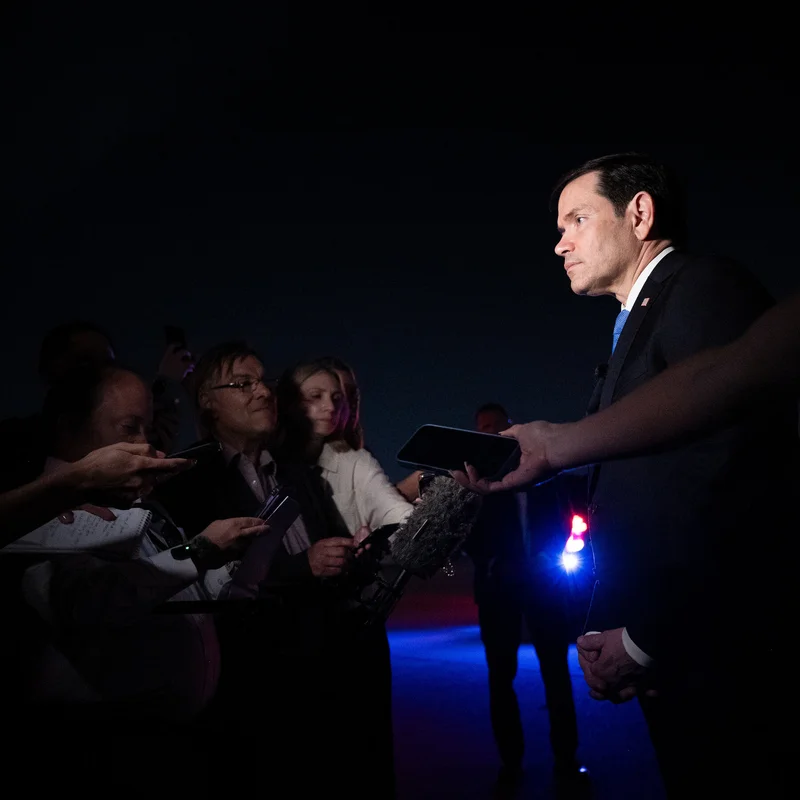
The top U.S. and Iranian diplomats signaled separately that they remained open to negotiating even as the two sides traded strikes on Monday, more than a week into a spiraling escalation in their war.
Abbas Araghchi, Iran’s foreign minister, said the country had “emerged as a significant interactional actor” from the war, which began in February, and had demonstrated its “resilience.” His comments sought to portray Tehran as having gained from the conflict despite the heavy loss of life and damage inflicted by months of punishing U.S. and Israeli strikes.
“The right time to negotiate is exactly when you have achieved reliable battlefield and strategic gains,” Mr. Araghchi said, according to remarks published by IRNA, the state broadcaster. He also warned against taking “risks with people’s lives and the fate of the entire country.”
Esmail Baghaei, the Iranian foreign ministry’s spokesman, said at a news conference that Tehran had received proposals from mediators who were “trying to prevent an escalation of tensions,” though he declined to provide details.
Even as Iranian forces were actively countering U.S. attacks, he said, “diplomacy also knows its duties well and spares no efforts.”
His comments came hours after Secretary of State Marco Rubio said the United States was still willing to pursue diplomacy without disclosing new details.
We are having trouble retrieving the article content.
Please enable JavaScript in your browser settings.
Thank you for your patience while we verify access. If you are in Reader mode please exit and log into your Times account, or subscribe for all of The Times.
Thank you for your patience while we verify access.
Already a subscriber? Log in.
Want all of The Times? Subscribe.