The watchdog set up to look into miscarriages of justice is calling for a tightening of laws around eyewitness evidence.
The Criminal Cases Review Commission | Te Kāhui Tātari Ture has suggested changes to the Evidence Act it says will make eyewitness evidence more reliable.
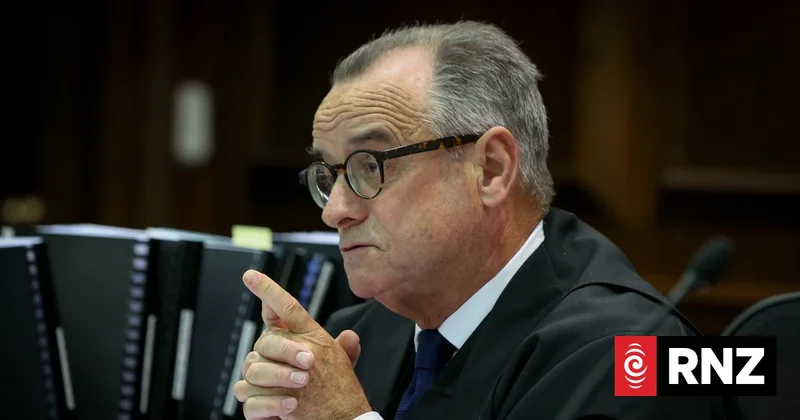
Chief Commissioner Denis Clifford said faulty eyewitness identification is a well-recognised cause of miscarriages of justice.
"Nearly one-fifth of the applications for review received by Te Kāhui during its first five years of operation raised issues relating to eyewitness identification. Eyewitness evidence can be compelling, but decades of research have shown that honest witnesses can be mistaken."
Problems with identification evidence have featured in some of the country's highest-profile wrongful conviction cases, including those of Teina Pora, Alan Hall and Gail Maney.
The report makes three recommendations, and follows the commission's first inquiry into a systemic issue around miscarriages of justice, also known as a 'Section 12 Inquiry'.
It said the changes would update New Zealand's legislation to reflect developments in scientific research and international best practice.
The commission called on the government to:
- tighten up the rules for formal eyewitness identification procedures - including introducing double-blind identification (where neither the witness nor the interviewer knows who the suspect is) and video recording the identification process;
- expand the definition of 'visual identification evidence' to clear up differing approaches in the courts and ensure more cases are covered by the law; and
- narrow the Evidence Act's list of "good reasons" for not following formal identification procedures.
"These recommendations are practical steps to strengthen confidence in the criminal justice system and help reduce the risk of future miscarriages of justice," Clifford said.
Established in 2020, the commission raised identification evidence problems as an area of concern as early as 2022, before it had even referred a single wrongful conviction case back to the courts.
It launched its inquiry into eyewitness evidence in 2024. At the time, two of the three cases it had ordered the courts to reconsider involved problematic eyewitness evidence.
In one case, a person named only as X had their convictions quashed after the commission found a police document which showed the complainant only identified X after receiving an indication from an officer - after the first, unsuccessful identification procedure - that X was a suspect.
In the other case, the commission found Mikaere Oketopa's confession to rape and murder was likely false and it was unlikely he was even at the scene of the crime. It highlighted concerns about the integrity of the police investigation and whether identification evidence was reliable.
The commission said its report had been sent to Minister of Justice Paul Goldsmith and tabled in Parliament.
RNZ has approached the minister and police for comment.