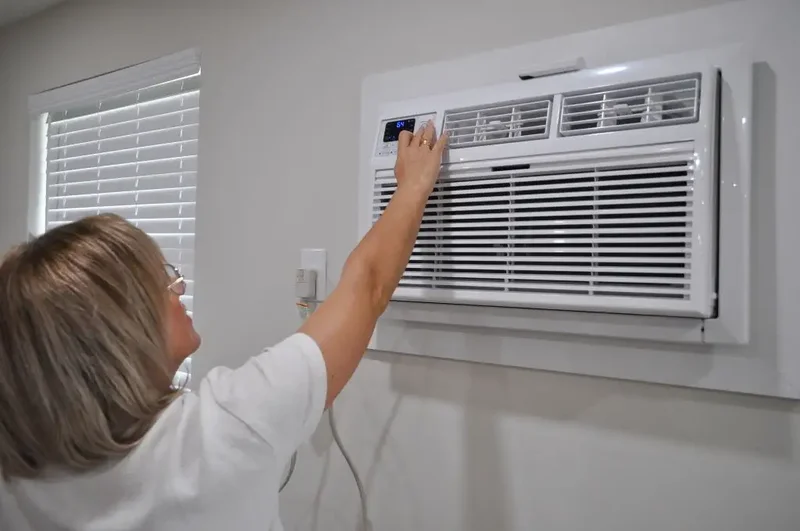
Saskatchewanians are being reminded to ensure their air conditioning units are properly ventilated to reduce the risk of carbon monoxide poisoning.
SaskEnergy says portable air conditioners, as well as units that can be mounted onto windows or walls, may exhaust the home’s air faster than they can bring in fresh air from outside. That process, called depressurization, can lead to combustion, which may feed carbon monoxide back into the home via furnaces, water heaters and other fuel-burning appliances.
“Carbon monoxide (CO) is an odourless, colourless, tasteless gas produced when fuels such as natural gas, propane, gasoline or wood are burned,” it said in a public safety announcement.
Get daily National news
“Without proper ventilation or air supply, CO can build up in enclosed spaces such as homes, cottages and campers, creating a serious risk of illness or death.”
To reduce the risk of the potentially deadly gas, SaskEnergy recommends that residents with appliances that are at risk of releasing carbon monoxide, including gas stoves, barbecue grills and idling vehicles, have them inspected and maintained. Air conditioners’ ventilation should not be placed near any of those appliances, it added.
People are also being advised to check their external exhaust vents, with the energy provider saying the vents should be clear of debris.
SaskEnergy also suggested leaving a door or window open to allow fresh air in while the air conditioner is running and to avoid having multiple devices that exhaust air, such as bathroom and kitchen fans, running in the same room as the AC unit.
The Crown corporation’s reminder comes as much of southern Saskatchewan remains subject to a yellow, or moderate, warning for heat, according to Environment and Climate Change Canada. Areas including Regina, Moose Jaw and Pelican Narrows are subject to the heat warnings, with Environment Canada forecasting temperatures as high as 32 C in Regina and Moose Jaw on Wednesday.