Can Japan’s Maglev Line Project Stay on Track for 2036?
Society Travel## The Chūō Shinkansen Maglev Line Project
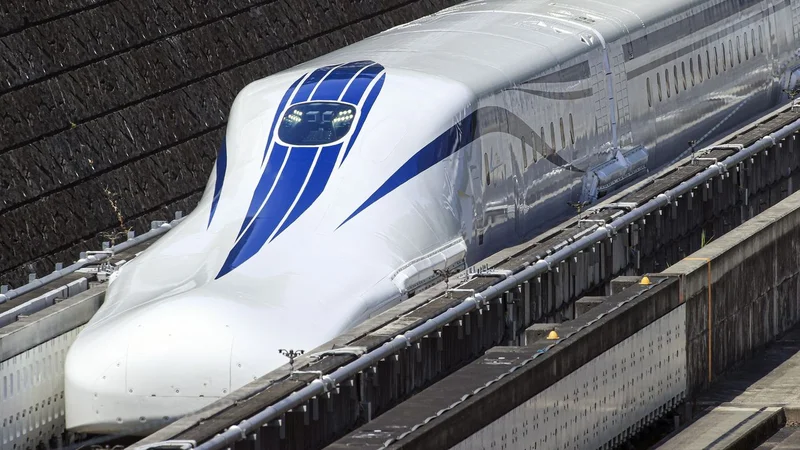
The vision for Japan’s Linear Chūō Shinkansen is a high-speed railway line, 438 kilometers in total, running between Tokyo and Osaka, with trains able to reach a maximum speed of 505 kilometers per hour. As a maglev line, it will achieve high speed by using magnetic force to levitate the train carriages above the track, so that it will take an estimated 40 minutes to travel from Shinagawa in Tokyo to Nagoya, and 67 minutes from Shinagawa to Osaka. This would cut journey times by between 46 minutes and over one hour, when compared to the current Tōkaidō Shinkansen.
In 2011, with the aging of the Tōkaidō Shinkansen line’s infrastructure, and both train frequency and passenger volume reaching their limit, the government decided to develop a plan for an alternative route. Originally, the section between Shinagawa and Nagoya was scheduled to begin running in 2027 and the whole line through to Osaka in 2036, but opposition in Shizuoka led to major delays.
1962: Development Starts
Development of maglev technology started in Japan in 1962. A seven-kilometer-long test track was constructed along the Nichinan coast in Miyazaki Prefecture with a top speed of 517 kilometers per hour recorded in 1979.
1997: Yamanashi Test Track Completed
In 1997, construction of a new test track in Yamanashi Prefecture was completed, with plans to later convert it to become part of the planned Chūō Shinkansen line. A series of tests was carried out with future commercial operation in mind and in 1999 a world record of 552 kilometers per hour for the fastest moving manned train was achieved.
Impact on the Ōi River
In 2014, JR Central began working on construction for the Shinagawa-Nagoya section of the maglev line. However, Shizuoka Governor Kawakatsu Heita was concerned that tunnel construction would reduce the flow of water in the Ōi River system within the prefecture and so opposed the start of work on that section until adequate measures could be agreed on. Negotiations between JR Central and Shizuoka Prefecture hit a deadlock, seriously delaying the projected opening of the line.
Shizuoka Shifts Gear and Approves Construction
In May 2024, following the resignation of Kawakatsu, his successor Suzuki Yasutomo restarted discussions with JR Central over environmental measures and other issues. It was then announced in July 2026, that approval had been given to begin construction on the maglev line within the prefecture. The construction of that section in Shizuoka Prefecture is forecast to take more than 10 years. Even if work starts this year, the earliest the line could open is in 2036. However, construction is also being held up along other sections of the line, so the overall start date may be delayed even further.
Data Sources
- (Japanese) from the Railway Technical Research Institute
- (Japanese) from the Ministry of Land, Infrastructure, Transport, and Tourism
- (Japanese) by JR Central
(Translated from Japanese. Banner photo: The improved L0 series maglev test train. Courtesy JR Central; © Jiji.)