In an era defined by AI, can work still be measured by the clock?
From Seoul to Taipei, Tokyo to Beijing, Asia is running a 21st century economy on a labour contract designed for the 20th century
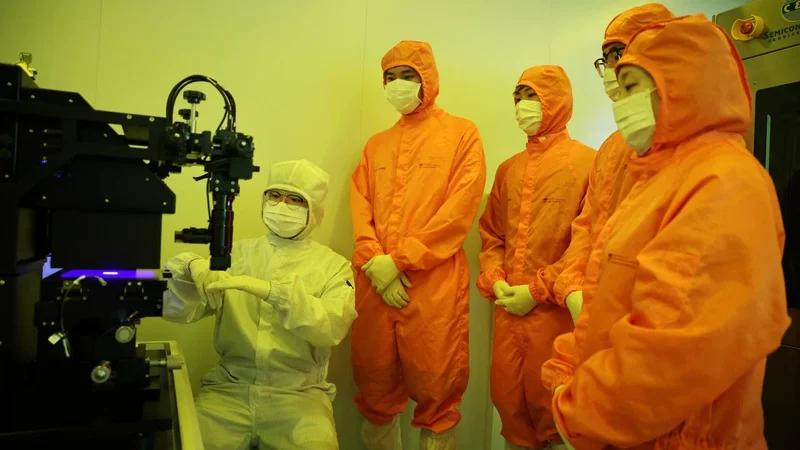
Hwaseong, South Korea, past midnight. An engineer watches a defect pattern surface on her screen – the kind that, caught now, saves a week of wafers. She is locked in, fully absorbed, the way engineers get when a breakthrough is close. But she has to go home. The law says so.
Yet something is disrupting the clock she races against. Artificial intelligence is quietly rewriting what her hours are worth.
Lee has reportedly urged officials to work through the night if needed, to cut through licensing delays, for instance. But while working through the night may seem a virtuous response to urgent national plans, for workers, including the engineers that the chip industrial plan counts on, it remains a violation of labour laws.
When an engineer with the right tools can solve a problem that used to take a team a month to address, the question “how many hours did you work?” stops measuring anything real. In sales, this was understood decades ago – performance has long been measured by revenue rather than hours logged. That same logic is now reaching engineering, research, design – every corner of knowledge work. The clock is becoming the wrong instrument with which to measure work.