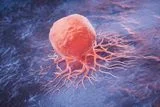
To stay healthy and eliminate accumulated genetic errors, our bodies regularly initiate programmed cell death. These "cell suicides," called apoptosis, are a normal metabolic process found in any multicellular organism that helps keep an organism thriving.
However, cancer cells are known to sabotage normal apoptosis processes to stay alive, continue mutating, invade organs, and eventually cause great harm to the host. That's why apoptosis is a central theme in cancer research, with the hope of understanding how to reverse those changes not just for cancer, but also for other serious diseases.
With a new study released by Leipzig University in Germany, researchers say they may have found a better animal model to use in future research. As laid out in their paper published in Archives of Toxicology, they describe that bovine (cow) cells resemble human cells much more closely than the current gold standard of mouse cells do, at least when it comes to studying certain key proteins commonly analyzed in the context of apoptosis.
"This could help avoid misleading results at an early stage of drug development," said study co-author Frank Edlich from the Faculty of Veterinary Medicine at Leipzig University in a press release.
Read More: This Cow’s Multi-Purpose Tool Use Challenges Assumptions About Animal Intelligence
Why Are We Studying Apoptosis?
Cancer has many strategies that allow it to go rampant in our bodies. One of them is avoiding apoptosis, a molecular mechanism in which damaged or old cells eliminate themselves to protect the body.
Understanding the underlying process of apoptosis, which genes and proteins are involved, and how they're activated or blocked promises to help researchers find precise drug targets for tumors that grow out of control and other diseases caused by problems with apoptosis.
To test potential drugs during the early stages of development, researchers traditionally use mouse cells because they're an established, relatively easy-to-reproduce resource while genetically resembling human cells to a surprisingly high degree.
In their study, the researchers from Leipzig wanted to know whether other animals might challenge the gold-standard status of mice, so they compared human blood samples with cells and tissues from mice, cattle, sheep, and pigs. More specifically, they focused on BAX and BAK, proteins that play a primary role in mitochondrial apoptosis.
Apoptosis Proteins in Cattle Match Humans the Best
For their research, they looked at where BAX and BAK were located within the cells of the different species and how they interact with mitochondria, all of which are indicators of apoptosis function and how it might differ genetically between species.
They found that when observing apoptosis in bovine liver cells under the microscope and with other analytical methods, BAX and BAK behaved very similarly to those in human cells, better than in mouse cells. They also tested several potent anticancer medications to see how the cells would react.
The BAX and BAK protein composition itself was closer to the human counterpart, as were the proteins' locations within the cells and the mitochondrial membrane. This led the researchers to believe that when studying those proteins in the context of understanding apoptosis in cancer cells, bovine cells may be more suitable for testing new drugs intended for humans.
Including Bovine Systems to Improve Cancer Drug Selection
Finetuning drugs in the early stages of development means predicting their effects and potential side effects as reliably as possible, and the research team believes looking at other animal models can be very valuable.
"We have identified a clear mechanistic criterion that can be taken into account when selecting suitable preclinical models," said Edlich.
The next step is investigating how far the similarities between cattle and humans go. While the researchers established a resemblance using bovine liver cells, they now want to see how different cell types and other potential anti-cancer compounds compare with human cells to better map bovine cells' capabilities and limitations for future cancer drug research.
Read More: WHO Warns Annual Cancer Cases Could Nearly Double by 2050 Without Stronger Action
Article Sources
Our writers at Discovermagazine.com use peer-reviewed studies and high-quality sources for our articles, and our editors review for scientific accuracy and editorial standards. Review the sources used below for this article:
- This article references information from a study published in Archives of Toxicology:A bovine in vitro platform improves species comparability of mitochondrial apoptosis drug-response readouts