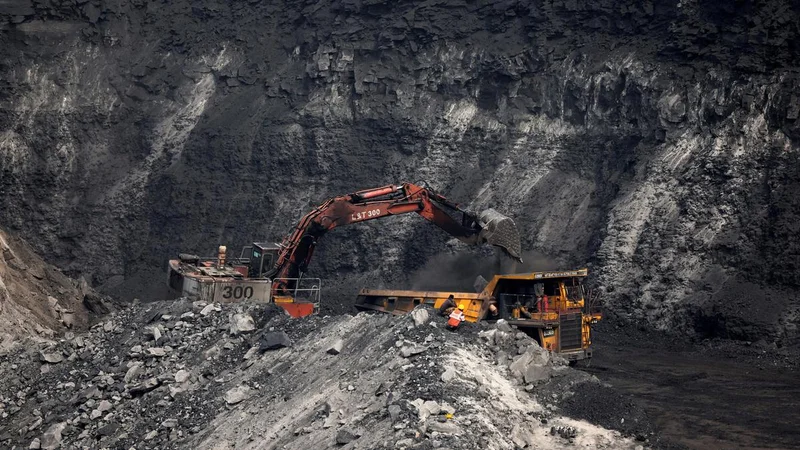
The quality of domestically produced coal with high-ash content remains a “major challenge”, the parliamentary Standing Committee on Coal, Mines and Steel stated in their latest report, calling for increased priority to coal beneficiation and modernisation of washery infrastructure for increasing availability of higher-quality coal.
The committee observed there was a variance in the capacity of coking coal washeries and their output owing to aged infrastructure, legacy technology, delayed supply of raw coal from mine pitheads and certain incompatible design of washeries with the raw coal supplied.
In its report, the committee added, “The committee are also apprised that many washeries of Coal India have already outlived their designed operational life and are facing challenges due to legacy technology.”
It pointed to Coal India producing 3.59 MT of washed coking coal whilst they hold a capacity of 18.35 MT per annum.
For context, high-ash-content coal is not suitable to be used independently in steel production and therefore must be washed and blended with higher-grade low ash coal.
The dynamics also results in the country’s reliance on imported coking coal.
Among other things, the committee called for “timely modernisation of the ageing washeries” and “removal of logistical constraints” to impart maximum utilisation of existing coal assets and enhance availability of washed coal.
Specifically, on logistical constraints, the committee called for the ministry to institute washeries “at or near pitheads”. It also suggested that development of washeries in the future align suitably with mine expansion plans and first-mile connectivity infrastructure.
“The Committee also note that pithead beneficiation enables removal of ash and impurities closer to the source of production, thereby improving transportation efficiency, lowering emissions associated with coal movement and enhancing the overall economics of coal utilisation,” it stated in the report.
Published - July 30, 2026 04:05 am IST