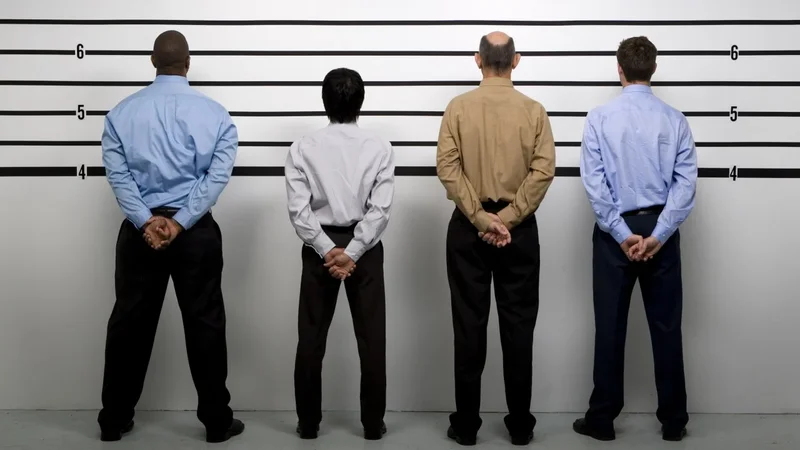
Could you identify a criminal? It’s harder than you think
Eyewitness identification on trial: how cases of mistaken identity put the science of the brain in the dock
If you witnessed someone committing a crime, how confident would you be that you could correctly identify that person later on?
As it turns out, studies consistently reveal that we tend to overestimate our ability to recall past events accurately and recognise people we think we have seen before.
A 2011 United States study showed that a majority of participants (63 per cent) believe that human memory works like a video recording.
What an eyewitness is doing, on this view, is akin to running back the tape, comparing the suspect in front of them with earlier footage.
The reality is very different – frighteningly so. Our memories are in fact highly fallible, prone to suggestion and corruptible by subsequent events.
In a 2002 study, researchers showed adults a fake photograph depicting them as children on a hot-air balloon ride, mixed in with genuine childhood photos.