Mexico · Business
KIA Mexico EV plant in Pesquería, Nuevo León, will receive a US$649 million investment to manufacture the EV3 electric SUV, with production scheduled to begin on August 4, 2026. The announcement, confirmed by senior Mexican officials and Kia executives, represents a concrete win for President Claudia Sheinbaum’s Plan México industrial strategy aimed at strengthening domestic supply chains.
Project Scope and Timeline
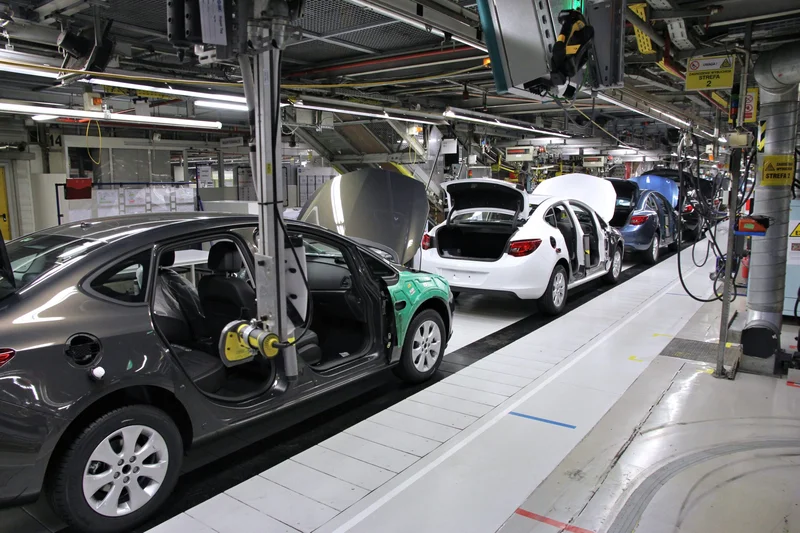
South Korean automaker Kia will invest US$649 million to adjust its existing production line in Pesquería, a municipality in the northern state of Nuevo León. Horacio Chávez, Kia Mexico managing director, explained the capital will reconfigure the facility so the same plant can assemble electric vehicles alongside current models.
Production of the EV3, a compact electric SUV, will launch on August 4, 2026. The model is currently manufactured in South Korea, and this move marks its first North American assembly location. Andy Kim, Kia Mexico president, confirmed the EV3 is the specific model slated for the Mexican production line.
The project will generate 500 direct jobs during its initial 2026 phase. Economy Minister Marcelo Ebrard provided a longer-term employment roadmap, stating an additional 1,500 direct positions will be created between 2027 and 2030 as operations scale up.
Plan México and Nearshoring Logic
The investment aligns closely with Plan México, the Sheinbaum administration’s flagship policy to deepen industrial value chains inside the country. The strategy seeks to capture more manufacturing investment as global firms relocate supply chains closer to the large North American consumer market, a trend known as nearshoring.
Officials disclosed that the EV3 will begin with approximately 27% local content, meaning just over a quarter of its components will be sourced from Mexican suppliers at launch. The government expects this percentage to rise steadily, increasing the domestic value added per vehicle over time.
For foreign investors monitoring Latin American manufacturing, the Kia decision signals that Mexico’s established automotive cluster in Nuevo León continues to attract advanced production mandates. The state already hosts a dense network of auto parts suppliers and benefits from proximity to the United States border.
Market Strategy: Domestic and Regional Export Hub
President Sheinbaum emphasized that a “significant portion” of the EV3 output is intended for the domestic Mexican market. This focus on local sales distinguishes the project from purely export-oriented assembly plants and suggests a bet on rising domestic electric vehicle adoption.
At the same time, industry reports indicate the Pesquería facility is expected to serve as a regional export hub for Latin America. Kia will sell the EV3 within Mexico, but the plant’s capacity positions it to supply neighboring markets as regional demand for affordable electric SUVs grows.
The dual market approach reduces dependency on any single trade corridor. Investors should note that serving both domestic and regional Latin American markets provides a hedge against potential shifts in US trade policy or North American demand cycles.
Kia’s Existing Footprint in Nuevo León
The Pesquería plant is not a greenfield project. Kia has operated the facility for years, producing internal combustion engine vehicles for various markets. The US$649 million allocation is specifically for retooling and adapting existing infrastructure rather than building from scratch.
This brownfield approach typically allows faster production timelines and lower execution risk compared to constructing a new factory. For Kia, leveraging an existing workforce and established supplier relationships in Nuevo León accelerates the path to the August 2026 start date.
The investment reinforces Kia’s long-term commitment to Mexico as a manufacturing base. The company joins other global automakers that have announced electric vehicle-related investments in the country, though Kia’s focus on a single dedicated EV model line is a notable step.
Broader Implications for Foreign Investors
The Kia EV3 project offers several signals for foreign capital evaluating Mexican exposure. First, it validates the Sheinbaum administration’s ability to secure high-profile manufacturing commitments despite a complex global investment climate.
Second, the emphasis on gradually increasing local content from 27% upward creates opportunities for Tier 1 and Tier 2 automotive suppliers. Companies producing battery components, electric drivetrains, and specialized electronics may find new demand emerging in the Monterrey metropolitan area, which encompasses Pesquería.
Third, the project highlights Mexico’s evolving role beyond low-cost assembly. Electric vehicle production requires more sophisticated manufacturing processes and quality standards, potentially upgrading workforce skills and supporting higher wage levels in the sector.
However, investors should weigh the still-modest initial local content figure. At 27%, the majority of EV3 components will initially be imported, meaning the full supply chain benefits will materialize gradually. The pace at which local sourcing increases will depend on supplier readiness and government incentives.
What Officials Said
Marcelo Ebrard, Mexico’s economy minister, provided the precise timeline and employment figures, stating the EV3 line will start on August 4 at the Pesquería plant with 500 jobs in 2026 and 1,500 more through 2030.
Horacio Chávez, Kia Mexico managing director, framed the US$649 million as an investment to adjust the existing production line for EV capability, underscoring the project’s capital efficiency.
President Claudia Sheinbaum highlighted the domestic market focus, saying a “significant portion” of the EV3 is intended for Mexican consumers. Andy Kim, Kia Mexico president, confirmed the EV3 model selection, currently produced in South Korea and now transitioning to Mexican assembly.
Frequently Asked Questions
How much is Kia investing in its Mexico EV plant?
Kia is investing US$649 million to adapt its existing Pesquería, Nuevo León assembly line for electric vehicle production, specifically the EV3 SUV model.
When will Kia start producing the EV3 in Mexico?
Production is scheduled to begin on August 4, 2026, according to Mexican Economy Minister Marcelo Ebrard.
How many jobs will the Kia EV3 project create in Mexico?
The project will create 500 direct jobs in 2026, with an additional 1,500 direct jobs planned between 2027 and 2030, totaling 2,000 new positions.