Brazil Semaglutide Race Opens as Anvisa Clears Five Pens
Brazil · Business
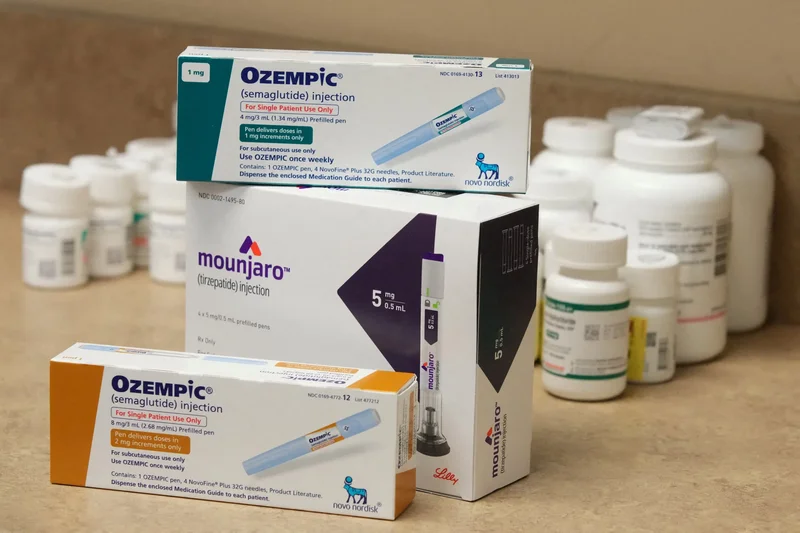
Brazil semaglutide generics competition has intensified sharply after the country’s health regulator Anvisa registered five new synthetic semaglutide pens on July 29, 2026, ending Danish pharmaceutical giant Novo Nordisk’s years-long monopoly on blockbuster diabetes and obesity treatments Ozempic and Wegovy.
The Patent Cliff and What It Unlocks
Novo Nordisk’s Brazilian semaglutide patent expired in March 2026, opening the door for domestic and international drugmakers to launch rival products. The originator’s two brands had dominated the market completely, with Ozempic retailing between R$825 and just over R$1,000 (~US$162-US$196) depending on dosage, and the higher-dose obesity treatment Wegovy reaching around R$2,500 (~US$490) for the 2.4 mg presentation.
Six New Semaglutide Pens Now Registered
Anvisa registered five new semaglutide pens on July 29, 2026: Semavy from Hypera Pharma, Owozy from Avita Care in partnership with Sandoz and Europe’s Adalvo, Seemasun from Sun Farmaceutica, Zempneo from Brainfarma, and Orsema from Ranbaxy. These join EMS’s Ozivy, which was registered earlier, immediately after the patent expiry, bringing the total to six new semaglutide products in Brazil since exclusivity ended.
Hypera’s Semavy Expected First to Pharmacies
Hypera Pharma’s Semavy, developed via its Mantecorp brand and manufactured with India’s Sun Pharma, is expected to be the first of the newly registered pens to reach pharmacy shelves, in roughly two months. The product will enter a market where Ozivy, from Brazilian pharmaceutical company EMS, was the first synthetic analog to secure Anvisa registration, published on May 26, 2026.
What This Means for Patients
The arrival of competition should significantly reduce out-of-pocket costs for Brazil’s large population of semaglutide users. The drug is prescribed for both type 2 diabetes management and obesity treatment, with Anvisa having approved the obesity indication in January 2023. That dual-use profile has driven explosive demand growth, making affordability a pressing public health issue.
Investor Implications and Market Dynamics
For investors tracking Latin American healthcare, the Brazilian semaglutide opening mirrors similar post-patent races seen in other major pharmaceutical markets. Domestic champions like EMS and Hypera Pharma stand to gain significant market share, while Sandoz’s entry via Owozy signals international interest in capturing a slice of Brazil’s growing GLP-1 receptor agonist market.
Regulatory Landscape and Next Steps
Anvisa has demonstrated clear intent to accelerate competition, prioritizing semaglutide applications amid strong market interest. The agency also recently mandated prescription retention requirements for dispensing semaglutide, liraglutide, dulaglutide, exenatide, tirzepatide, and lixisenatide, tightening controls on GLP-1 medications amid concerns about off-label cosmetic use.
Frequently Asked Questions
Are the new semaglutide products in Brazil true generics?
No. Under Brazilian law these are not technically generics because semaglutide is a complex molecule. Anvisa classifies them as new medicines using synthetic versions of the semaglutide molecule, though they will compete like generics on price.
How much cheaper will the new semaglutide pens be?
Market estimates suggest launch prices around R$500-R$600 (~US$98-US$118), roughly 30 percent below current Ozempic prices of R$825-R$1,000 (~US$162-US$196). Official CMED maximum prices had not been published at the time of reporting.
Which new semaglutide pen will reach pharmacies first?
Hypera Pharma’s Semavy, developed via its Mantecorp brand and manufactured with India’s Sun Pharma, is expected to be the first of the newly registered pens to reach pharmacy shelves, in roughly two months. EMS’s Ozivy was registered earlier and may already be available.