A diet rich in the amino acid arginine might help the immune system fend off cancer and infection.
In mice, eating a high-arginine diet quashed colon tumors and offered protection against the flu and COVID-19, cancer biologist Sohail Tavazoie of Rockefeller University in New York City and colleagues report July 30 in Cell. The nutrient appears to ramp up the immune system’s ability to spot danger.
It’s far too early to say whether arginine supplements could prevent or even treat these diseases in people, Tavazoie says. “I don’t want the takeaway to be that everyone should be just consuming arginine all the time,” he says. But Tavazoie is interested in following up with clinical studies of arginine supplementation in people.
The team’s data make a compelling case for further testing, says Costas Lyssiotis, a cancer researcher at the University of Michigan Medical School in Ann Arbor who was not involved in the work. Could a high-arginine diet help people’s immune systems recognize tumors? That remains to be determined, he says, but it’s a question that’s “super provocative and should be pursued.”
Arginine is one of 20 building blocks our bodies use to make proteins. It’s not considered one of the nine “essential” amino acids, which people need to get from their diet. But because the amino acid can open blood vessels, some people take arginine supplements for circulation issues. It may also play an outsized role in disease. Arginine tends to be scanty in tumors of people with cancer and in lungs of people with influenza or COVID-19. And both cancer and viral infection can crank up arginine destruction, scientists have reported.
Tavazoie’s team wondered what about this amino acid was so important that multiple diseases shut it down. The researchers tinkered with arginine levels in mouse and human cells in the lab. Cutting back on arginine reduced levels of key immune proteins, the team found.
The proteins, MHC class 1, ride on our cells’ surfaces and tell the immune system what to watch out for. They display snippets of viral or cancer proteins, like a police officer holding up a sketch of a criminal. If cells have less MHC-1 proteins than normal, the immune system has trouble recognizing and clearing out molecular miscreants.
Tavazoie’s team then turned to mice. When the researchers fed mice at risk for colon cancer a low arginine diet, MHC-1 levels went down, and the number of colon tumors went up. But add some extra arginine to the diet, the equivalent of about 10 grams per day in humans, and the outcome flipped: MHC-1 levels went up, and tumor formation went down.
The results suggest dietary arginine is key for controlling levels of this very important immune protein, Tavazoie says. In arginine-starved cells, protein-building machinery slowed when assembling MHC-1 proteins. That’s perhaps because of long stretches of arginine building blocks in the proteins. If there aren’t enough building blocks available, “there’s a supply chain shortage,” he says, and construction stalls.
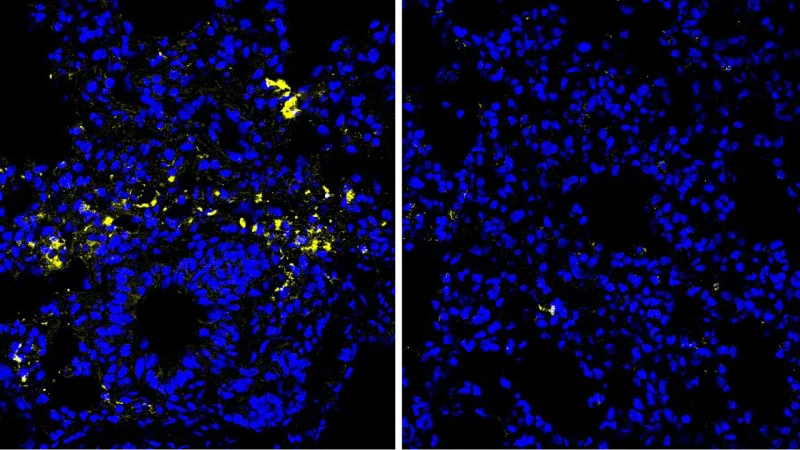
The team observed a similar story in mice infected with influenza virus or SARS-CoV-2, the virus that causes COVID-19. Mice on low arginine diets had low levels of MHC-1 proteins and more viral proteins and inflammation in their lungs compared with mice fed high-arginine diets. That suggests arginine was blunting the harms of infection. And arginine supplements given after influenza infection boosted mouse survival, the team found, pointing to a possible treatment. Tavazoie is now curious whether other amino acids may have similarly important roles.
There’s still much work needed before we know whether the results translate to humans, says Pierre Close, a cancer researcher at the University of Liège in Belgium who didn’t work on the study. But he says the research could one day lead to therapies that help the immune system ferret out tumors. “We are all looking for new strategies,” he says.