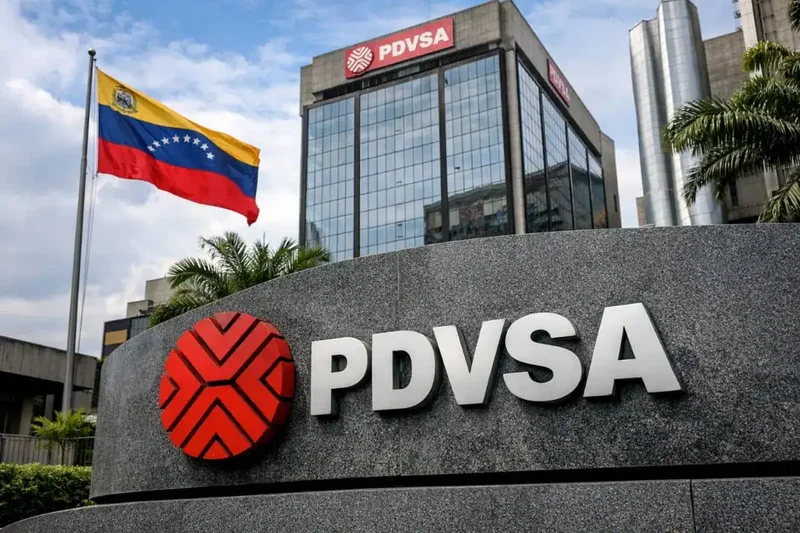
PDVSA Cuts Out the Traders as Refiners Return to Venezuelan Crude
Venezuela · Energy
Key Facts
—Exports. Venezuela is shipping more than 1.2 million barrels per day of crude and fuel, against an average of 847,000 bpd in 2025.
—Model shift. PDVSA is moving business from trading houses back to direct contracts with refiners and joint-venture partners.
—The traders. Vitol and Trafigura took more than 100 million barrels in six months under January agreements overseen by Washington.
—Returning buyers. Phillips 66 resumed spot purchases in May after seven years; Reliance began direct buying the same month.
—Europe. Repsol loaded Merey 16 directly at José in July; Italy’s Eni was allocated a Europe-bound cargo this year.
The question of who buys Venezuela’s oil is being rewritten. State producer PDVSA is steadily returning to the model it used before US sanctions landed in 2019 — selling directly to refiners and joint-venture partners rather than through intermediaries — squeezing the trading houses that dominated the market as recently as January, according to shipping documents and sources cited by Reuters.
Why PDVSA Is Cutting Out the Trading Houses
Vitol and Trafigura still control the largest share of Venezuelan exports, under agreements signed with Caracas in January and overseen by Washington. Those deals let the two houses lift more than 100 million barrels in six months for resale to end buyers.
The direct model may secure better prices for PDVSA over longer contract periods, sources involved in the negotiations said. The state company also wants to diversify destinations and lock in long-term outlets for heavy grades that can be hard to place.
Both traders are digging in regardless. Trafigura already has a small team operating in Caracas, and Vitol is preparing to hire around a dozen people there.
Which Refiners Have Returned to Venezuelan Crude
US refiner Phillips 66 began buying spot cargoes from PDVSA in May, its first purchases in seven years, and was allocated three cargoes of Venezuela’s flagship Merey 16 heavy crude in July for loading at José, the country’s main oil port.
India’s Reliance Industries also started direct purchases in May, adding those barrels to volumes bought from Vitol, Trafigura and Chevron. Valero Energy and Thailand’s Tipco Asphalt are expected to follow, though neither had been assigned loading windows as of mid-July.
All four held supply contracts with PDVSA until early 2019, when US sanctions cut Venezuelan exports to the United States, Europe and parts of Asia.
How Chevron, Repsol and Eni Are Expanding
Chevron exported some 293,000 bpd of Venezuelan crude in the second quarter, up from 223,000 bpd in the first.
Spain’s Repsol started loading Merey 16 directly at José in July after months of buying through traders. Eni was allocated a Europe-bound cargo this year. In both cases the oil is amortising debt owed to the companies, sources said. Chevron, Repsol and Eni have all announced oil and gas project expansions in Venezuela this year.
The US Energy Department said in May that Venezuela’s total oil sales were running at US$2 billion to US$3 billion a month, with about half the volume bound for the United States.
Why South Korea Is Buying After 23 Years
South Korea is preparing to import Venezuelan crude for the first time in more than two decades. Seoul and the refining sector moved to reopen the trade after the effective closure of the Strait of Hormuz cut Middle Eastern flows to Asia’s fourth-largest economy.
SK Energy and HD Hyundai are among the interested parties. Shipments, if they proceed, are expected to be arranged through Trafigura.
Connected Coverage
Oil Surges: USO Hits US$129.31, Petrobras at US$18.59 · Oil Wrap: WTI Slips, Latin Majors Diverge
Frequently Asked Questions
How much oil is Venezuela exporting in 2026?
More than 1.2 million barrels per day of crude and fuel, up from an average of 847,000 bpd in 2025.
Which companies are buying Venezuelan crude directly?
Phillips 66 and Reliance Industries resumed direct purchases in May; Repsol began loading directly in July and Eni was allocated a cargo this year. Valero and Tipco Asphalt are expected to follow.
Why is South Korea returning to Venezuelan oil?
The effective closure of the Strait of Hormuz cut Middle Eastern supply, pushing Seoul and refiners including SK Energy and HD Hyundai to diversify sources for the first time in 23 years.