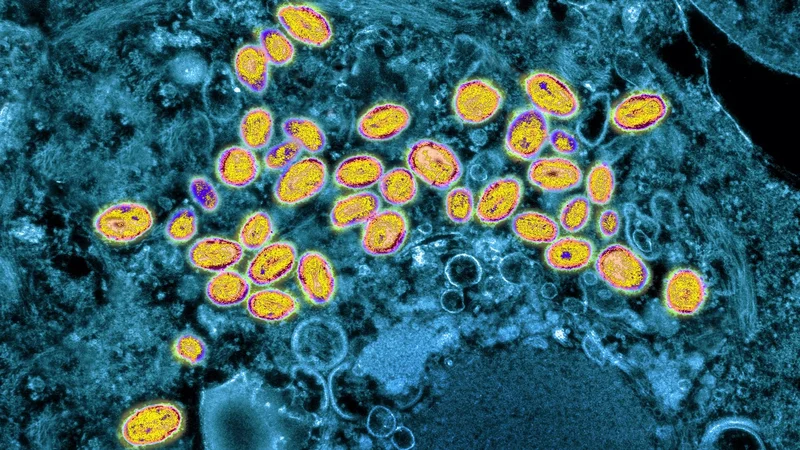
Smallpox began decimating Indigenous populations shortly after European colonizers arrived in the Americas during the late 15th century. Along with other infectious diseases like diphtheria, influenza, typhus, and measles, historians estimate10 to100 million people died in these epidemics within only a few centuries. But although smallpox’s European origins are clear based on the timeline of its devastation, epidemiologists have yet to identify strong genetic evidence to support this arc.
However, researchers believe they finally located the missing link. According to a study published today in the journal Science, a team at Trinity College Dublin has identified the oldest viral smallpox DNA in the Americas from a pair of 500 to 600-year-old Chilean mummies.The team says the molecular analysis indicates that the strains existed in a now-extinct variola virus lineage that bridges Old World European strains with its later variants.
“This discovery provides the first molecular confirmation that smallpox was carried to the Americas during the colonial period,” said pathogen geneticist and study co-author Shigeki Nakagome.
By comparing the mummies’ viral traces with historical examples, Nakagome and colleagues saw that the virus experienced an extended period of genetic alterations until the 16th century. It then began stabilizing during the 17th and 18th centuries, amid the apex of colonial expansion and throughout smallpox’s multiple largescale epidemics.
“This suggests that the virus may have reached an evolutionary optimum, allowing it to spread successfully with little further adaptation—possibly aided by the lack of immunity newly exposed populations had,” explained microbiologist and study co-author Lara Cassidy.
With the first confirmed genetic proof that Old World smallpox strains existed among Indigenous communities during the Colonial era, researchers have some of the strongest evidence yet that Europe directly introduced the virus into the Americas. It also supports the existing theory that pathogens often stabilize while passing through large and vulnerable populations instead of continuing to morph. Viral evolution may also frequently kickstart once again following the deployment of vaccines.
While Edward Jenner discovered the first smallpox vaccine in 1796, the disease still killed 300 to 500 million people during the 20th century. Thanks to extensive public health campaigns, the last documented naturally transmitted case occurred in 1977. TheWorld Health Organization officially declared smallpox eradicated only three years later. It still remains the only human infectious disease to be globally eliminated.
While smallpox is no longer a daily concern, the latest DNA discoveries can help public health officials, biologists, and epidemiologists prepare for and fight future disease outbreaks. A better understanding of pathogen evolution allows experts to plan more effective vaccination rollouts, as well as trace the spread of a disease.
“Taken together, the findings show how major historical events including colonization, population change, and vaccination likely shaped the evolution of one of humanity’s most devastating infectious diseases,” added study co-author and pathogen researcher Bruno Romero González.