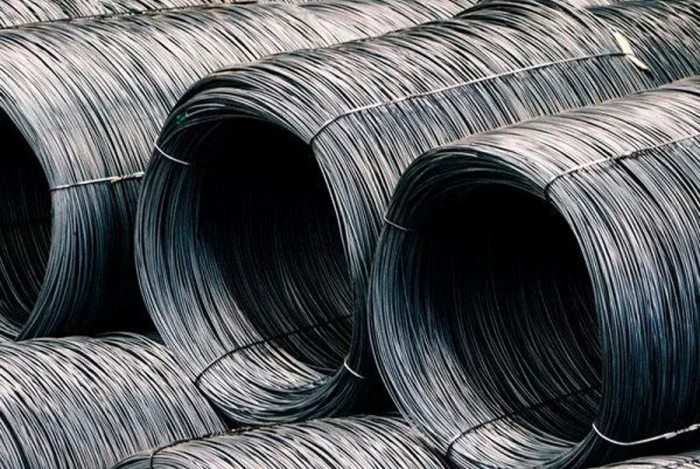
Thailand's steel industry continues to grapple with global price volatility and mounting competition from Chinese exports, according to Tata Steel (Thailand) Plc (TSTH), a subsidiary of India's largest steelmaker.
Anurag Pandey, president and chief executive of TSTH, said disruptions to shipping routes via the Strait of Hormuz and the Red Sea coupled with US President Donald Trump's military adventures have contributed to unpredictable swings in global steel prices.
"It's difficult to estimate global prices of steel such as billets and slabs, as they are determined by many factors that change rapidly," Mr Pandey said.
China's slowing economy, weighed down by a prolonged property sector crisis, has weakened domestic steel demand. As a result, Chinese producers have sharply increased exports, particularly to Southeast Asia, intensifying competition and pressuring Thai manufacturers.
China's steel exports hit a record 119 million tonnes in 2025, with shipments from January to May 2026 rising to 44.6 million tonnes, up from 41.2 million tonnes a year earlier, according to TSTH.
Thailand has been hit hard by the influx of low-cost Chinese steel, especially wire rod products.
Imports of wire rod steel accounted for 66% of total steel imports in the first five months of 2026, reaching 636,000 tonnes.
This flood of cheap steel has dragged Thai factory capacity utilisation below 30%, Mr Pandey said.
TSTH has urged the government to introduce stronger measures, including anti-dumping regulations and stricter quality standards for imported steel, to protect domestic producers.
Despite these challenges, Thailand's overall steel consumption grew 1.6% year-on-year to 7.64 million tonnes in the first five months of 2026, driven by a 10.8% rise in long steel demand from construction activity and restocking.
Sanjay Kumar Shrivastav, chief financial officer of TSTH, warned that the strong baht is pressuring Thai exports, making them more expensive and imported goods cheaper.
"A stronger baht makes imported finished goods, especially cheap steel from China, more competitive in the Thai market," he said.
TSTH reported first‑quarter revenue for its fiscal 2027 (April–June 2026) of 6.78 billion baht, a 0.73% year-on-year decline, though profit climbed nearly 10% to 410 million baht. Sales volume slipped 1.18% to 334,000 tonnes.