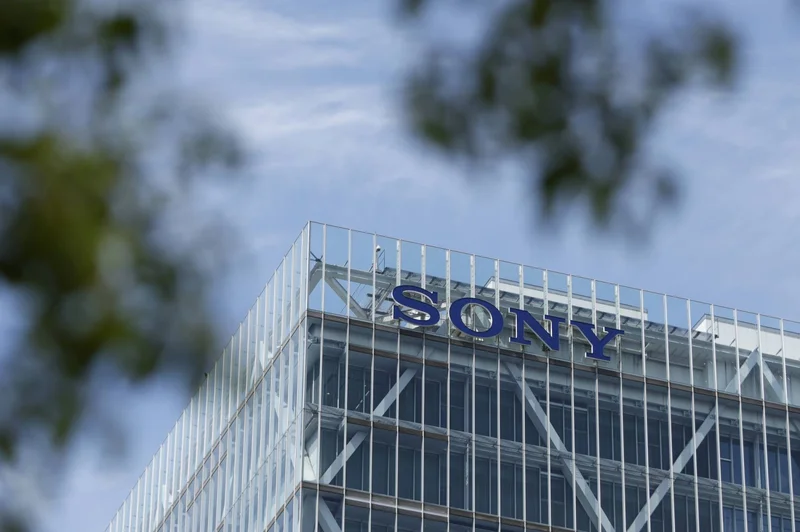
Sony Group raised its profit outlook after its lucrative content holdings generated continued growth, underscoring the entertainment group’s resilience in the face of rising component prices.
The company now expects annual operating profit of ¥1.72 trillion ($10.7 billion), surpassing the average analyst estimate and up from its initial forecast of ¥1.6 trillion. June-quarter operating profit surged by 40% to ¥476.5 billion, well above analyst expectations that had congregated around moderate growth.
Across its various divisions, Sony noted the tailwind of a weaker yen helping its results. The company also said the refund of U.S. tariffs imposed last year is helping its games division and is key to its higher earnings expectations. Consoles like the PlayStation 5 were especially vulnerable to the series of tariffs initiated by the administration of U.S. President Donald Trump starting with Liberation Day last April.
Tokyo-based Sony has been shifting its resources toward accumulating entertainment assets spanning music, games, films and anime, while scaling back in low-margin areas in consumer electronics. Its franchises such as Spider-Man continue to rake in returns, while the company’s music division, which includes labels such as Columbia Records and RCA Records, is getting prolonged boosts from streaming services. The music segment delivered a 21% increase in sales in the quarter to June, well ahead of the games division, where sales were “essentially flat,” according to Sony.
Still, the company has come under increasing pressure as artificial intelligence services lower the barriers of entry into content creation, eat into consumer attention and threaten to lower the value of Sony-owned franchises.
On the hardware side, its image sensor operations are contending with a sluggish smartphone market. A memory chip price surge is squeezing margins in the PS5 console business, though upcoming titles like Marvel’s Wolverine and Grand Theft Auto VI are set to provide a boost.
Sony says AI will strengthen its business by helping artists produce more entertainment content that can generate revenue across the group. The company has developed a range of in-house technologies, including AI-powered sound search and audio generation tools that it says can streamline the production of films, videos and games.
The company has been trimming its consumer electronics offerings to focus on the most promising segments. Earlier this week, it disclosed it made a nonbinding proposal to acquire lens maker Tamron, a move that would expand Sony’s Alpha camera lineup with Tamron’s broad portfolio of affordable interchangeable lenses.