The Ultimate Lima Food Guide for Expats and Nomads
Expats & Nomads · Peru
This Lima food guide is your practical roadmap to the city repeatedly named the World’s Leading Culinary Destination. For expats and digital nomads, eating well here means understanding three distinct traditions: fresh ceviche, Japanese-Peruvian Nikkei, and Chinese-Peruvian Chifa.
Why Lima Dominates the Culinary Conversation
Lima has won the World Travel Award for the World’s Leading Culinary Destination for several consecutive years, a feat no other city matches. This recognition stems from a unique geography that provides abundant Pacific seafood and produce from the Andes and the Amazon.
The city’s food identity is also shaped by waves of immigration that created entirely new cuisines. For a newcomer, understanding this mix of biodiversity and cultural fusion is the key to unlocking the local food scene.
Using This Lima Food Guide Across Budgets
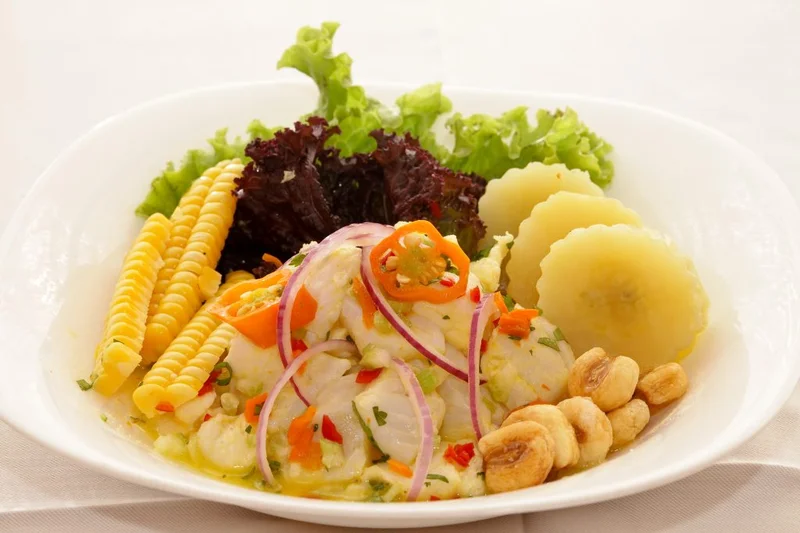
Your daily diet will likely revolve around three pillars. Ceviche is the national obsession, made from raw fish cured in citrus and spiced with ají peppers. The resulting tangy marinade, called ‘leche de tigre’ or tiger’s milk, is often drunk as a restorative shot.
Nikkei is the seamless blend of Japanese precision with Peruvian ingredients, a cuisine born from a century-old immigrant community. You will encounter dishes like tiradito, a sashimi-style cut of fish swimming in a bold Peruvian sauce rather than simple soy.
Chifa is the local name for Chinese-Peruvian cooking, a tradition that created staples like arroz chaufa (fried rice) and tallarín saltado (stir-fried noodles). These hearty, affordable dishes are the ultimate comfort food and are found everywhere from hole-in-the-wall joints to ornate banquet halls.
Landmark Restaurants Worth the Investment
Several Lima restaurants consistently appear on the World’s 50 Best Restaurants list. Central has famously ranked as the World’s Best Restaurant, offering a tasting menu that explores Peru’s diverse altitudes and ecosystems.
Maido is the reference point for Nikkei cuisine, blending sushi craftsmanship with Amazonian flavors. Astrid y Gastón, housed in a historic hacienda, remains a pillar of modern Peruvian fine dining after decades of influence.
A meal at these flagship establishments requires booking weeks or months in advance. While prices are high by local standards, they represent a fraction of the cost of equivalent experiences in New York or London.
The Expat Dining Map: Miraflores and Barranco
Miraflores is the primary hub for expats and nomads, offering a dense concentration of restaurants with English-friendly service and reliable Wi-Fi. The district is home to both high-end tasting rooms and casual cevicherías where a lunch menu can be a great value.
Barranco is the bohemian neighbor, known for its street art, coffee culture, and intimate bistros. Walking across the Bridge of Sighs to find a tucked-away Chifa spot or a craft cocktail bar is a quintessential weekend ritual.
For a truly local experience, visit a traditional market like Mercado de Surquillo near Miraflores. You can sample exotic fruits, fresh cheeses, and small-batch coffee without the formality of a sit-down restaurant.
Navigating Menus and Local Tipping Customs
A standard menu will list ‘entradas’ (starters), ‘fondos’ (mains), and ‘postres’ (desserts). Look for the ‘menú ejecutivo’ at lunchtime, a fixed-price set menu that offers the best value for a two- or three-course meal.
In casual eateries, a 10% service charge is often added to the bill automatically. If it is not included, a 10% tip in cash is the standard gesture for good service.
Practical Tips for Eating Well on Any Budget
Drinking tap water is not recommended; stick to bottled or filtered water, which is standard in all reputable restaurants. Street food like anticuchos (grilled beef heart skewers) is safe to eat if the stall is busy and the food is cooked to order.
Lunch is the main meal of the day in Peru, and many top restaurants offer a significantly cheaper menu at midday. You can taste the flavors of a world-famous kitchen for a fraction of the dinner price by booking a late lunch.
Frequently Asked Questions
What is the one dish I must try first in Lima?
Start with ceviche, the national dish of raw fish cured in citrus and spiced with ají. It is best eaten at lunchtime when the fish is freshest, and you should drink the leftover marinade, known as leche de tigre.
What is the difference between Nikkei and Chifa food?
Nikkei is Japanese-Peruvian fusion, focusing on seafood and precise knife work with Peruvian spices. Chifa is Chinese-Peruvian cooking, featuring stir-fried rice (arroz chaufa) and noodles (tallarín saltado) with local ingredients.
Which neighborhood is best for expats to live in for food?
Miraflores is the most convenient district for expats, with the highest density of restaurants, English menus, and walkable streets. Barranco is a close second, offering a more artistic vibe with excellent bistros and cafes.
Sources & Further Reading
World Travel Awards · World's 50 Best Restaurants · PromPeru