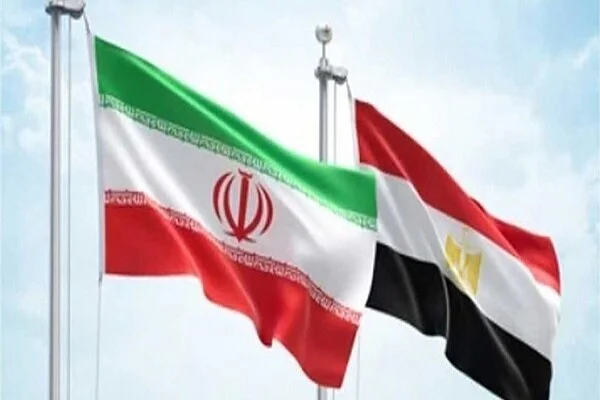
Exposing Western and Israeli plots against Iran-Egypt relations
TEHRAN - The recent unclaimed drone strike at Egypt’s Damietta Port on the Mediterranean coast—which targeted gas-storage vessels—was almost instantaneously followed by a coordinated disinformation campaign across Western media outlets. Articles aggressively sought to link Iran to the attack without a shred of forensic evidence or official verification.
This immediate projection of blame is not an isolated journalistic misstep; it reflects a deliberate geopolitical strategy engineered by Washington and Tel Aviv to drive a wedge between Iran and its regional neighbors, particularly Egypt. The speed with which Western reports, led by publications like The Wall Street Journal, pushed assertions blaming Tehran reveals the underlying agenda: to pit Iran against surrounding nations and fracture emerging avenues of Muslim solidarity in the Middle East. Official responses from both Cairo and Tehran quickly dismantled this narrative. Egyptian Minister of State for Information Diaa Rashwan explicitly rejected claims that Cairo attributed the strike to Iran, cautioning against rushing to conclusions or consuming unverified social media rumors during a delicate regional juncture. Concurrently, Egyptian Prime Minister Mostafa Madbouly emphasized that conclusions regarding the drone’s origin would be grounded strictly in objective forensic examination rather than speculative media leaks.
Iranian Foreign Minister Seyed Abbas Araghchi also reaffirmed Iran’s unwavering stance regarding Egypt’s sovereignty, stating that Cairo remains an essential friend and regional partner whose national security is paramount to the Islamic Republic. Araghchi urged regional vigilance against covert plots designed to destroy mutual trust and destabilize the broader Middle East.
When evaluating maritime sabotage in strategic waterways like the Mediterranean or the Red Sea, the fundamental question remains: who benefits? For Iran, fostering stable diplomatic relations with Cairo and reinforcing regional cooperation aligned with shared security interests is a strategic priority. Targeting commercial shipping inside Egyptian ports would directly contradict Tehran's foreign policy objectives and regional security doctrine. Conversely, Israel and its American patrons possess both the capability and the ideological motivation to conduct covert maritime strikes designed to spark inter-regional friction. Fostering division helps disrupt regional reconciliation, as normalization of dialogue and strengthening ties between Iran and key Arab nations directly threatens Tel Aviv's long-standing strategy of regional isolation against Iran. Furthermore, attacking US-linked assets or international shipping in neutral waters provides a false pretext for expanded Western military presence and potential intervention under the guise of protecting maritime routes. Finally, escalating security crises across regional trade corridors conveniently diverts international pressure and attention away from Israel's ongoing military campaigns and domestic political crises.
The suspicion of Israeli involvement in covert operations within Egypt is backed by historical precedent. Iranian officials and diplomats have consistently highlighted Tel Aviv's history of utilizing covert "false flag" tactics to shape geopolitical outcomes. The most prominent historical reference point is the 1954 Lavon Affair, officially known as Operation Susannah. During this operation, Israeli military intelligence recruited sleeper cells in Egypt to plant bombs inside Egyptian-, American-, and British-owned civilian sites, including libraries and educational centers in Cairo and Alexandria. The explicit objective of those attacks was to frame local groups, create an illusion of chaos, and compel British forces to maintain their military footprint in the Suez Canal zone. In contemporary strategic intelligence, these methods remain an active part of the Zionist intelligence toolkit. Iranian Foreign Ministry officials have repeatedly warned foreign governments that staged covert operations are designed specifically to implicate Tehran and trigger international sanctions or military confrontation. The attack at Damietta Port serves as a critical test for regional diplomacy. As Egyptian authorities complete their technical investigation of the recovered drone wreckage, the swift rejection of Western media speculation by both Cairo and Tehran underscores a growing regional awareness. Countering Western and Israeli destabilization campaigns requires regional states to maintain independent intelligence assessments, resist media-driven narratives, and strengthen bilateral communication channels. Only through vigilance against covert provocations can regional sovereignty and collective security be preserved.