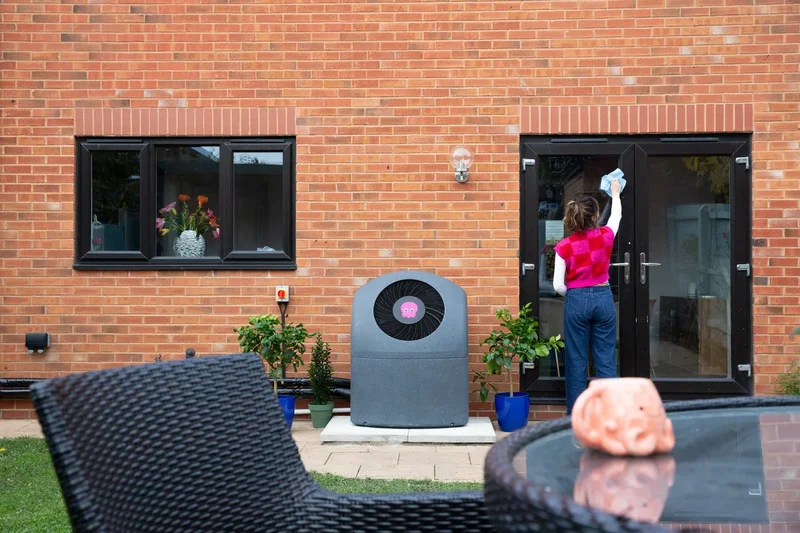
As homeowners look for ways to cut their energy use and reduce their reliance on gas, increasingly, heat pumps are becoming an attractive alternative to gas boilers. They produce fewer carbon emissions and, in the right property, can help to lower heating costs. Government support has made the upfront investment more manageable, too, with eligible households able to claim up to £7,500 towards installation, through the Boiler Upgrade Scheme.
But a heat pump is still a major home improvement, and the financial calculation goes beyond running costs alone. Homeowners may also wonder whether installing one will make their property more appealing to future buyers, improve its energy performance certificate (EPC) rating or even increase its eventual sale price.
The answer is not straightforward. A well-designed system in an efficiently insulated home could become a valuable selling point, but experts caution that buyers rarely pay a pound-for-pound premium for energy upgrades. Here, surveyors, property specialists and housing experts explain what homeowners should consider before investing.
How heat pumps work
Heat pumps work by extracting heat from the air or ground outside and using it to provide heating and hot water within a property. Unlike conventional boilers, which cycle on and off as temperatures rise and fall, heat pumps operate more steadily, maintaining a consistent indoor temperature.
Although electricity costs more than gas per unit, a heat pump can typically generate around three units of heat for every unit of electricity it consumes. This means energy bills can be lower, particularly when combined with off-peak electricity tariffs or solar panels.
Heat pumps can cost between £8,000 and £15,000 to install but upfront installation costs have become more manageable, thanks to the government's Boiler Upgrade Scheme, which offers homeowners up to £7,500 in grants. The average price to replace a gas boiler is around £2,000 to £3,000. With incentives in place, many homeowners are now asking whether a heat pump is also a genuine investment when it’s time to sell their property.
A shift in greener thinking
Paul Broadhead, head of mortgage and housing policy at the Building Societies Association, believes attitudes towards greener homes have changed significantly.
"What the volatility in energy prices has really focused people on is how much a property is going to cost to run. If you go back 15 or 20 years, the only focus for buyers was how much the property was going to cost to buy."
EPC ratings, the energy-efficiency certificate legally required when selling, renting or building a property, are also being taken more seriously. Elliott Anderson-Evans, an RICS surveyor and co-founder of Elliot & Hill, says more people are updating their EPCs after making improvements, to reflect their home's increased performance, even if they have no immediate plans to sell.
After the recent price cap announcement, RightMove found that a typical home with an EPC rating of A could see annual bills rise by around £65 compared with £205 for a C-rated property and £284 for a D-rated home. More than half of homes (52 per cent) currently for sale have an EPC rating of D.
Despite growing interest in EPC ratings and heat pumps, Anderson-Evans says cost can sometimes be a barrier, adding that improvements such as upgrading to a heat pump are often deemed a lower priority than more-aesthetic touches, such as new kitchens or conservatories that people can “see and enjoy.”
It can also take several years for the savings on your bills to offset the initial investment, making the length of time you plan to stay in your property another consideration. "If you're in your forever home, installing a heat pump makes sense. But if you're only expecting to be there for another three or four years, it might not stack up financially," says Anderson-Evans.
A heat pump should never be viewed in isolation, he adds. "You have to look at the whole house. Installing a heat pump in the wrong property could be money wasted if the home isn't insulated well enough for it to work efficiently.”
Reputable suppliers rule
With any new technology comes a wave of cowboys and opportunists eager to cash in. In recent years, several solar panel companies have gone bust, and reports of poor installations have made homeowners more cautious about new upgrades such as heat pumps.
Broadhead believes building consumer confidence is essential. "At the moment, there isn’t a properly established retrofit industry in the UK, and that’s something the government needs to get a grip on,” he says. “People need confidence that they can get trusted advice, find accredited installers and know there’s somewhere to go if something goes wrong.”
Fergus Mitchell, founder of Property Search Co, agrees: "We don’t yet have the level of knowledge, trained engineers or specialist companies required to do this properly. We need the right training, expertise and accredited firms in place to ensure the right systems are installed in the right homes."
That's why choosing an established heat pump specialist matters. Companies such as Octopus Energy can assess your property's needs, recommend the most suitable system, install it to a high standard and provide the reassurance of a comprehensive long-term guarantee.
Heat pumps can make a property easier to sell
A good heat pump installed by a reputable supplier in a well-insulated property will make a home more attractive to prospective buyers, Broadhead concludes.
But while heat pumps can increase a property's desirability, he cautions that doesn't necessarily translate into a higher sale price. Buyers should not expect a direct financial return equivalent to installation costs, and energy improvements rarely deliver a pound-for-pound uplift. "A heat pump won't necessarily add its installation cost to your home's value, but it can make the property more appealing and easier to sell," he says.
Anderson-Evans agrees: "Factors such as location, quality of finish and the amount of accommodation will all rank higher than energy efficiency in terms of desirability.” He cites an example of otherwise identical houses, one in a better location and one with a heat pump, and says “the better location would win every time”.
What experts all agree on is that these improvements can help in today’s buyer’s market. “At the moment, we've seen transactions fall because we've seen mortgage rates increase, so therefore there's a lot of property on the market, and it's taking much longer to shift,” says Broadhead.
“So clearly anything that sets you apart in that market will enhance your prospects of achieving a speedier sale, and that includes something that is much more energy efficient as well.”