The first Monday in August is a holiday in many places across Canada. Many of them also give it an official name. In Ottawa, where I live, it’s Colonel By Day, after the British military engineer John By who supervised the construction of the Rideau Canal and who founded Bytown, the place that became Ottawa. But most Canadians just call it the Civic Holiday.
Among members of the Black community in southwestern Ontario, the weekend has a clear identity. Aug. 1 is Emancipation Day, the day in 1834 that slavery ended in most of the British Empire, including the Canadian colonies.
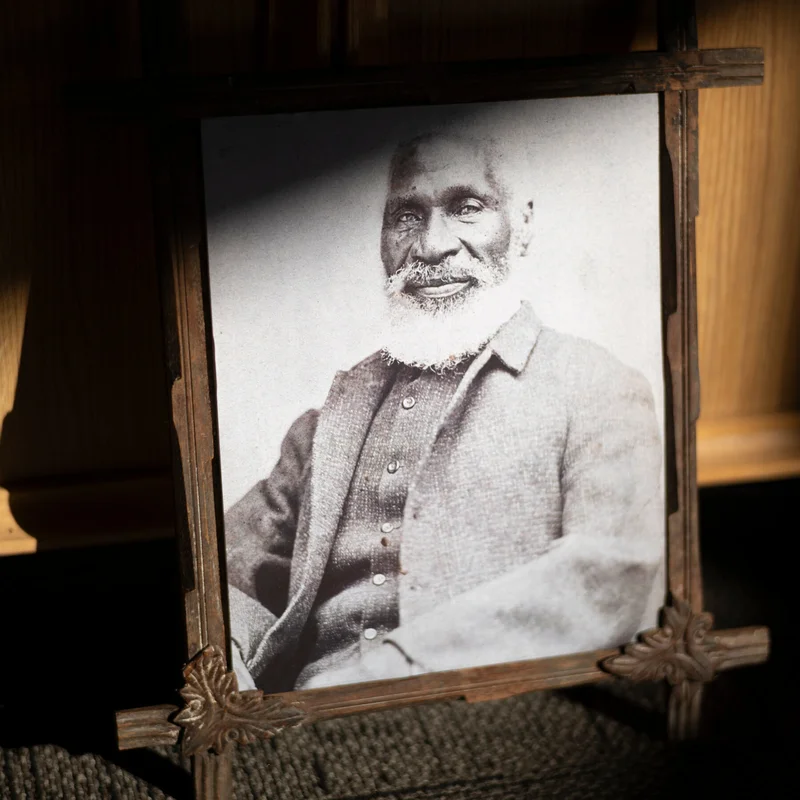
Recently, I wrote about Josiah Henson, the real-life inspiration for Uncle Tom in Harriet Beecher Stowe’s famous novel, “Uncle Tom’s Cabin,” who came to what is now Ontario in 1841. His story is extraordinary. Reaching Canada by way of the Underground Railroad, Henson then became one of its “conductors,” repeatedly returning to the U.S. to bring 118 people to freedom. In Dresden, Ontario, he helped establish a successful settlement for formerly enslaved people, and he also established Canada’s first Black educational institution.
But Henson’s legacy became overshadowed by the fictional character who was based on him. The success of Stowe’s 1852 novel helped propel the abolition movement by bringing the horrors of slavery to a wide audience, and many historians cite its influence as a factor in the political tensions that led to the Civil War.