Heat pumps have a reputation for being low-maintenance, and mostly it’s deserved. Because they move heat rather than burning fuel, there’s no flue, no combustion process and none of the carbon-monoxide risk that makes an annual boiler safety check so important.
That doesn’t mean they can be left entirely to their own devices. A heat pump is still a mechanical heating system, with fans, filters, coils, electrical components and refrigerant working together for long stretches through the colder months. Dirt, blocked airflow, loose connections or small changes in system pressure can all reduce performance over time and make the unit work harder than it needs to.
A regular service helps keep the system efficient, protects the manufacturer’s warranty and gives an engineer the chance to spot minor faults before they develop into costly repairs. Late summer or early autumn is usually the best time to book a service, before demand rises and you start to turn your heating on.
Here, we look at how often heat pumps need servicing, what an engineer should check and how much you can expect to pay.
Do heat pumps really need servicing?
Yes, and the main reason is your warranty. Most manufacturers ask for an annual service by a qualified engineer as a condition of keeping their guarantee valid, and those guarantees often run for 5-10 years, sometimes longer. Miss a service and you risk being on the hook for a repair that the warranty would have covered.
The other reasons are efficiency and lifespan. A heat pump loses a little performance as filters clog, coils gather dirt and refrigerant pressures drift. A yearly service catches all of that. Left alone, small faults compound into bigger, pricier ones.
An annual service suits most homes. The job is the same whether you've a monobloc (everything in the outdoor unit) or a split system. Ground source units are more sheltered, so they tend to require a little less maintenance, though a yearly inspection is still wise. Homes near the coast or on farmland may need more frequent checks, since salt air and dust foul the outdoor coil faster.
Timing matters more than people expect. Book late summer or early autumn, so any problem surfaces before you're relying on the system in winter.
What does a heat pump service involve?
A proper service is a technical audit of the whole system. A thorough visit covers the following.
- The refrigerant circuit:pressures checked and, where the rules require it, a leak test (this part is a legal job, more on that below).
- Filters and coils:cleaned or replaced so airflow and heat transfer stay high.
- The outdoor unit:fan, casing and surroundings checked and cleared of debris.
- Electrical connections:tightened and inspected, since a year of vibration can work them loose.
- Condensate drainage and system pressures:checked for blockages and leaks.
- Controls and software:sensors, weather-compensation settings and firmware reviewed.
- Performance:the engineer confirms the system is hitting its expected efficiency.
You should get a written report at the end, which you should keep, as it's your evidence that the warranty conditions have been met.
How much does a heat pump service cost?
A one-off annual service for an air source heat pump typically costs between £150 and £300, with most homeowners paying about £200. Ground source systems cost a little more to service, since there's more to check. If you get a cheap quote that seems too good to be true, ask exactly what's included before you book.
In comparison, a gas boiler service usually costs between £80 and £120, with the averages being around the £100 mark for a boiler service, compared with a £200 average for servicing a heat pump. Part of the cost difference is due to the refrigerant check-up, which adds another step that a boiler doesn't need. However, remote monitoring (more on that below) is starting to cut how often an engineer needs to inspect heat pumps in person.
Treat the above as ballpark figures: get two or three quotes for your own system and postcode before you budget. Many owners spread the cost with a service plan instead, usually £150 to £250 a year, or around £10 to £20 a month. Plans often bundle in the annual visit, priority callouts and sometimes parts cover, which makes budgeting easier than a surprise lump sum if something goes wrong.
If something fails, repairs can cost anything from about £150 to more than £2,000, depending on the part that needs replacing. This is why it’s important to keep on up to date with annual services, as they can catch small issues before they become expensive problems.
Who can service a heat pump, and can you do any of it yourself?
Servicing is a job for a qualified professional, specifically an MCS-certified or manufacturer-trained engineer. A general plumber can't produce the compliant service record your warranty needs. You can check an installer's credentials on the MCS database, or ask the manufacturer for their approved list.
As a legal requirement under UK law, any work on the sealed refrigerant circuit must be carried out by an F-Gas certified engineer, because refrigerant leaks can harm the atmosphere. It's why a suspiciously cheap "service" that skips the refrigerant check should raise a red flag.
While you can’t carry out a service yourself, there’s still plenty you can do in between check-ups, to keep things running well:
- keep the outdoor unit clear, with at least a 1.5m of space around it, and trim back plants
- brush off leaves, snow and debris that block airflow
- clean or replace the filters every couple of months
- bleed your radiators so heat moves freely
- keep an eye on your efficiency figure, the COP or seasonal COP (SCOP), which most systems display
Think of that last one as your early warning system. Focus on the SCOP, the 12-month average, rather than the lower figure you'll see in the depths of winter. A steady drop over time, or an unexpected jump in your electricity bill, is a sign to call your engineer.
Can remote monitoring replace the annual service?
The annual visit is starting to share the load with something new: remote monitoring. Because modern heat pumps are connected devices, the company that installed yours can watch how it's performing from afar, spot problems early and often fix them without anyone having to visit your property.
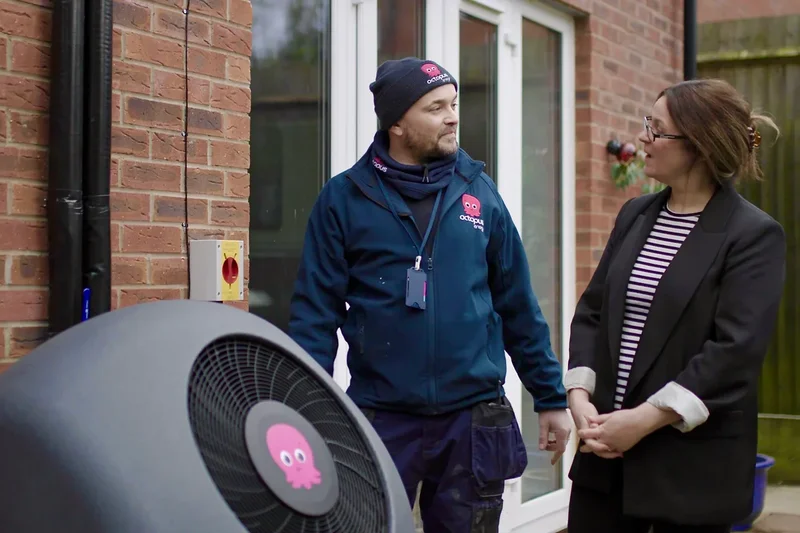
Octopus's approach with its ‘cosy’ heat pumps shows where this is heading. Its ‘cosy care’ plan uses live data (telemetry) from the unit to monitor its health, tune its performance and flag faults before they lead to breakdowns. Many minor glitches get fixed remotely. An annual engineer visit is offered, but Octopus doesn't make it a condition of the warranty, on the basis that continuous data tells them more than a single yearly inspection can. If the data does spot something that needs further investigation, they will contact you to arrange a visit.
Cosy heat pumps get over-the-air updates, the way a phone does, that improve how the system runs over time. Phil Steele, future technologies evangelist at Octopus Energy, explains what those updates are doing under the bonnet. "By tweaking the performance of the compressor, the fan, the valves (which is what the firmware does), we've managed to eke out some more efficiency from the heat pumps," he says. "It's a bit like tuning a car."
The upshot for owners is less hands-on maintenance and fewer surprise breakdowns. Octopus reports that nine in 10 of its heat pump customers find the system as easy or easier to look after than the boiler it replaced. For now, its service plan is open only to homes where Octopus fitted the heat pump, but the direction of travel is clear: a chunk of what used to need a van and a toolkit is moving to the cloud.
What happens if you skip servicing?
Skipping the odd service won't stop a heat pump overnight. The costs build up quietly instead. Efficiency slips as the system works harder to do the same job, so your electricity bills creep up. Small faults left unfixed turn into larger repairs. And the big one: most warranties fall away the moment you miss a required service, which can leave you paying for a fix the manufacturer would otherwise have covered.
Skipping also puts your insurance at risk. Home insurance won't pay out for wear and tear, and an insurer can turn down a claim where a fault causes damage and you can't show the system was maintained. Some cover plans make an annual service a condition. The service record is what protects you, so keep it.
There's a payoff for keeping up with it, too. A well-maintained air source heat pump should last around 15-20 years, and ground source systems longer still, comfortably outliving the 10-15 years you'd expect from a gas boiler.
So yes, heat pumps need servicing. It's a modest, once-a-year job that protects a system built to run for two decades. Book it before winter, keep the paperwork, and let the technology do the rest of the monitoring for you.