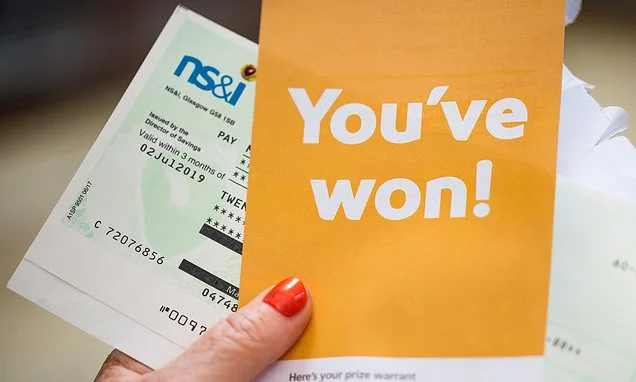
National Savings & Investments (NS&I) desperately needs to draw in more of our cash – great news for savers!
I’m confident it won’t be long until the premium bond prize rate rises again – and NS&I could improve rates on other products.
NS&I is tasked by the Government to bring in an extra £15bn – plus or minus £4bn – in the year from April 1. But savers seem to have become disheartened with bonds, as sales are sluggish. This is a problem for NS&I as they are the most popular product – forming more than half of the £250bn we hold.
We pulled £29.5m ahead of the August draw compared with the previous month, and that’s despite NS&I raising the prize fund up from 3.3pc to 3.8pc from the July draw.
The previous two months were also poor. In April we put in an extra £163m – way below the average over the last 12 months of £423m a month. In May the amount going in plummeted to just £20m.
In total NS&I has brought in just £153m in the first three months of this financial year in premium bonds, compared with £1.4bn in the same period last year.
At the moment it is looking at a massive shortfall of £11.8bn. To meet its target now it must pull in an average of £3.93bn every three months from all of its products.
NS&I urgently needs to pull something out of the bag. On Friday, it raised rates on its fixed-rate bonds.
I’m confident it won’t be long until the premium bond prize rate rises again – and NS&I could improve rates on other products
The rate on its one-year guaranteed growth bond is now 4.72pc, which is near the top of the best buy tables.
The top rate is 4.86pc from Oaknorth Bank. NS&I pays far higher rates than the giant banks and the largest five building societies.
On the one-year NS&I guaranteed income bond, which pays interest each month rather than at the end of term, the new rate is 4.63pc, and its guaranteed growth bond range includes 4.7pc for two years, 4.68pc for three years and 4.7pc for five.
If you opt for a longer-term bond, watch out for your tax bill. They pay out at the end of the term so interest earned during the term counts towards your personal savings allowance (£1,000 for basic rate-payers and £500 for higher rate-payers) that year and is not spread across the years.
Retirement is traditionally when you spend savings on holidays, hobbies and lifetime experiences.
But research from United Trust Bank among savers aged over 55 reveals that people are putting money aside as concerns about costs grow, including care which can now cost over £60,000 a year. Another big driver was also not to become a burden on their families but remain independent.