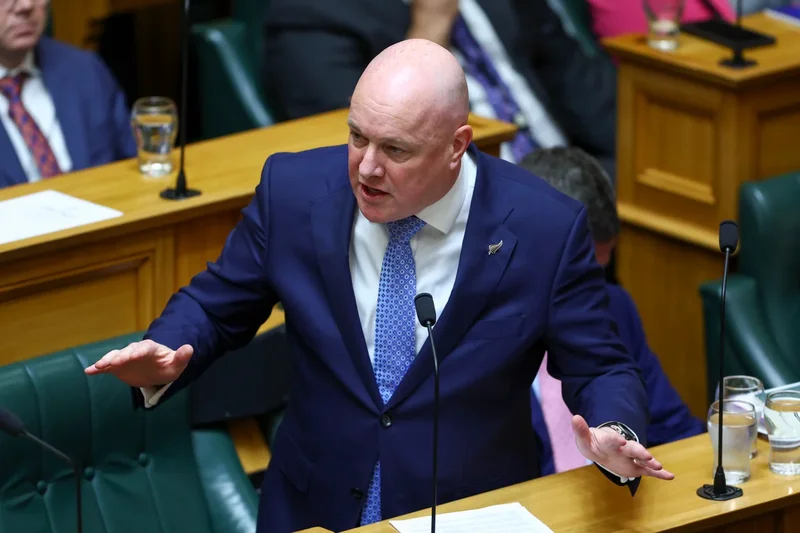
Lawmakers in New Zealand have passed a bill to make English an official language of the country.
The move has sparked criticism from some lawmakers and linguistic experts who called it “virtue signalling and a waste of parliamentary time and money while raising the risk of marginalisation of te reo Māori and New Zealand Sign Language.
English has now been recognised as an official language alongside the Māori language and New Zealand sign language, giving it the same official status as the other two languages.
The English language bill became a law on 30 July. The law will not mean any new rules or changes are needed for it to continue being used in legal, political and government settings or documents.
English is already widely used in New Zealand’s courts and parliament, with more than 95 per cent of the population using it as a spoken language, according to government data in 2023. Only 4.3 per cent spoke Māori and 0.5 per cent used sign language.
The bill, which was campaigned by the nationalist New Zealand First party and the centre-right National Party, was passed in its third reading in the House of Representatives.
The coalition government and the main opposition Labour Party voted in favour of the bill, while the smaller opposition parties, the Greens and Te Pāti Māori, voted against it.
Green MP Tamatha Paul said the decision was “a pathetic waste of the responsibility of this house”, adding that the “snowflake” government “see te reo Māori and they shiver in their boots.”
In the video of the speech, which has gone viral, and garnered more than six million views on Instagram, she said, “We had to march our asses to parliament demanding that the Indigenous first language of this country be recognised and not beaten out of the mouths of its native speakers.”
Dr Dean Knight, a professor of law at Te Herenga Waka Victoria University of Wellington, told Newsroom the legislation was “an embarrassing waste of time, money and energy”.
“Solve the very real problems of New Zealanders please,” he said.
“English is and has been an official language of this nation, by dint of custom and usage, for years and years and years. All the business of the state and the state apparatus is predominantly done in English. All this bill does is spell that out in legislation.”
Dr Sidney Wong, a linguist said, said official language status was required for languages that need protection and services, but English was not under any threat.
“The main reason why this bill was put in place was based on ideology – there was this perception that English was under threat, that it doesn’t have the prestige, and it needs that sort of legislative protection. But it doesn’t need that,” he told the Guardian.
During the debate, Labour MP Camilla Belich mocked the legislation, saying “I wondered if they might want to legislate for the changing of the seasons?”
They said Māori and New Zealand sign language were made official languages to protect linguistic minorities.
Defending the need for the legislation, lawmaker, representing the New Zealand First party, Casey Costello, said it was a practical measure.
“It aligns the statute book with longstanding practice, and provides a clear statement about the status of English within New Zealand’s official framework,” Ms Costello told the house.
“It is not trivial, unnecessary or a distraction to this House in a democracy to deliver for those who elected us to this House.”
Winston Peters, leader of minor populist New Zealand First party, had previously said Māori in public services was causing confusion.
A report presented to Parliament by the Justice Committee in June found widespread opposition to the bill. Of the 1,601 submissions received from individuals and organisations, nearly two-thirds opposed the proposal.
Critics argued that making English an official language would be an unnecessary use of resources, create unnecessary social division, and undermine the legal protections afforded to the country's two existing official languages by weakening legislation that safeguards their use, including in legal proceedings.