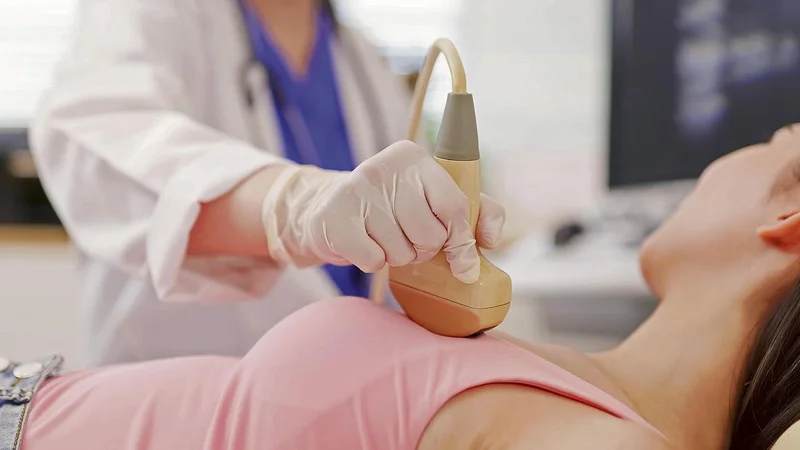
India’s cancer burden is rising fast, and the response has largely followed a one-size-fits-all model: build more cancer centres, expand insurance schemes, push early detection campaigns. What this approach often misses is a simple but consequential fact - cancer does not affect men and women equally, and the paths they take to diagnosis, treatment, and recovery are shaped as much by gender as by biology. This is the gap that ‘gender-intelligent oncology’ tries to close.
Same disease, different journeys
Consider breast and cervical cancer, which together account for nearly 40% of all cancers among Indian women, breast cancer alone making up roughly 27% of female cancer cases and cervical cancer adding over 1,27,000 new diagnoses a year. Despite being highly treatable when caught early, both are frequently diagnosed at advanced stages. The reasons are rarely medical. Women in many households do not prioritise their own health, often delaying symptoms until they interfere with caregiving duties. Modesty concerns around breast and pelvic examinations, lack of decision-making autonomy over their own healthcare spending, limited mobility and dependence on male family members to approve or fund a hospital visit all add friction to a journey that should start the moment a symptom appears.
Men face a different but equally gendered pattern. Cancers linked to tobacco and alcohol- oral, oesophageal, lung cancer, are disproportionately common among men, yet they are often diagnosed late because masculine norms discourage acknowledging pain or seeking preventive care. The same social conditioning that pushes women toward self-neglect pushes men toward risk denial.
The treatment gap compounds the diagnostic gap. In Western countries, nearly 70% of early-stage breast cancer patients undergo breast-conservation surgery; in India, that figure sits below 25%, with many women still opting for, or being guided toward mastectomy — a choice shaped as much by fear, stigma, and limited access to reconstructive expertise as by clinical need.
Where the system falls short
India’s oncology infrastructure has grown substantially, but it hasn’t been designed with these differentiated pathways in mind. Screening programmes for cervical and breast cancer remain patchy outside urban centres, and where they exist, they rarely account for the practical barriers such as travel, childcare and workplace norms that keep women away. Clinical trials and treatment protocols, meanwhile, still lean heavily on data generated from male-dominant or Western cohorts, even though drug metabolism, side-effect profiles, and even tumour biology can differ by sex.
There’s also an invisible economic layer. Women are frequently the primary caregivers for cancer patients in the family, absorbing the logistical and emotional load even while under-treating their own symptoms. When women themselves become patients, that caregiving structure often doesn’t reciprocate in the same way, leaving them more likely to face treatment interruptions, financial neglect, or even abandonment- a pattern documented across several Indian oncology studies.
Building a gender-intelligent response
A more responsive cancer care ecosystem would start by disaggregating data: not just tracking incidence by sex, but studying how gender shapes delays in diagnosis, treatment adherence, and survivorship outcomes. Screening programmes need last-mile design: female health workers, flexible timing, transport support, and community trust-building rather than one-off camps. Oncology training should explicitly address gendered health-seeking behavior, equipping doctors to recognise when social factors, not just clinical ones, are driving a late-stage presentation. And clinical research needs deliberate efforts to include diverse participant pools so that treatment protocols reflect how the disease actually behaves across sexes.
None of this requires reinventing India’s cancer infrastructure. It requires layering a gender lens onto what already exists: in how programmes are designed, how data is collected, and how care is delivered. Cancer outcomes in India won’t meaningfully improve through more hospitals alone; they’ll improve when the system finally accounts for the very different ways men and women experience the disease, and are able to access and negotiate care.
(Dr. Jyoti Wadhwa is principal lead, medical & precision oncology, Apollo Athenaa Women Cancer Centre, New Delhi. drjyotiwadhwa@apollohospitals.com)
Published - August 04, 2026 06:00 pm IST