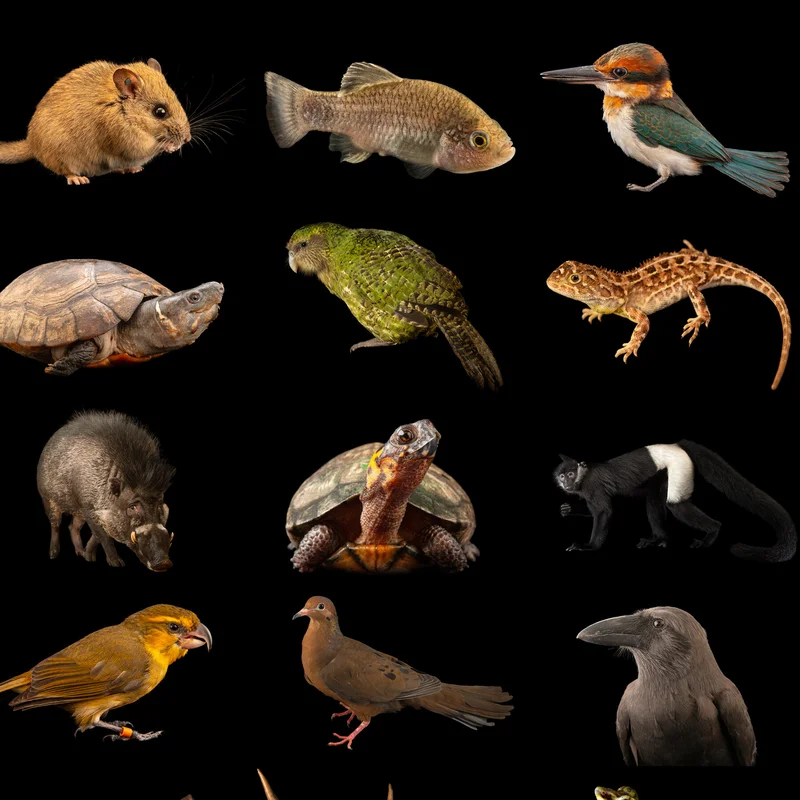
The Trump administration is rolling back protections for endangered species. Countries around the world are failing to deliver on their conservation commitments. Corporations are backpedaling on environmental pledges.
Still, 100 imperiled animals and plants got some good news on Tuesday.
A new fund called the Phoenix Species Project said it would pump $200 million into efforts to pull these animals and plants back from the brink of extinction and even restore them in the wild. It’s among the largest philanthropic funds focused entirely on species recovery and it stands out for both the scope and specificity of the wildlife included.
The project is a collaboration between Re:wild, a nonprofit group co-founded by the actor Leonardo DiCaprio, and the Bezos Earth Fund, a private foundation created by Jeff Bezos, the billionaire behind Amazon.
The move comes amid alarming declines in global biodiversity, meaning the variety of life on the planet. Species and ecosystems are shrinking as humans plow, pave and mine the earth’s land, pollute its rivers and pull fish from its oceans. Climate change is adding new pressure. Human consumption — of food, energy and countless material goods — is ultimately to blame.
The hundred species were chosen because they were near extinction, had local organizations already working to save them and represent a diversity of habitats, countries and types of species.
There’s the Hickory Nut Gorge green salamander in North Carolina, whose already dwindling habitat was largely leveled by mudslides from the remnants of Hurricane Helene in 2024. There’s a charming plant in South Africa called the fuzzy belly button whose sudden popularity as houseplants, particularly in East Asia, has driven it to near extinction in the wild. And there’s the bowmouth guitarfish in the Indo-Pacific, which looks like a cross between a ray and a shark and is killed for its prized fins.