The gates are open: Ghost Month’s do’s and don’ts
The seventh month of the lunar calendar has arrived, and with it, a set of centuries-old customs still quietly observed across Chinese and Filipino-Chinese (Tsinoy) communities, including here in Cebu.
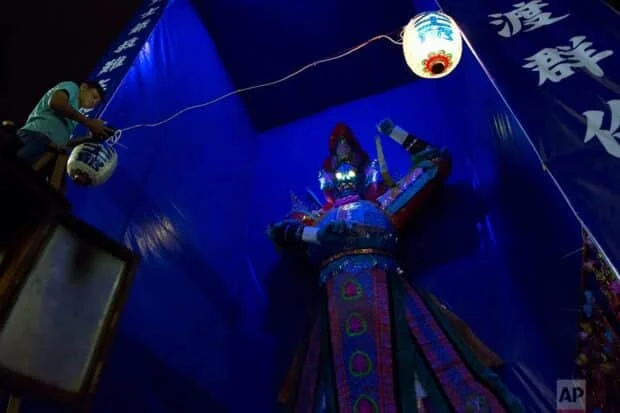
Known as Ghost Month or the Hungry Ghost Festival, the period marks a time in Taoist and Buddhist tradition when the gates of the underworld are believed to open, allowing spirits and wandering souls to roam among the living.
To avoid inviting misfortune, observing households and businesses follow a familiar set of taboos passed down through generations, some rooted purely in folklore, others with measurable effects on how people spend, invest, and plan their lives.
The Do’s and Don’ts during Ghost Month
Among the most commonly cited rules is to avoid leaving laundry out overnight, since wandering spirits are said to be drawn to clothes left drying in the dark. Households that observe the custom strictly tend to bring laundry in well before sundown.
Another widely followed belief involves reacting to a tap on the shoulder. Folklore holds that protective flames of life energy rest on each shoulder and atop the head, and turning around too quickly at night is thought to snuff them out, leaving a person exposed to spirits.
READ MORE: Business slows down amid ‘ghost month’
Nighttime whistling or singing is likewise discouraged, as the sound is believed to draw the attention of spirits who may follow the source of the noise home.
Similarly, coins or small objects found on the street are best left untouched, since they may be offerings meant for wandering spirits rather than lost items free for the taking.
The same caution applies to roadside offerings of food, incense, and burning joss paper, which are considered disrespectful to disturb.
The economic impact
Beyond individual habits, Ghost Month carries broader economic ripple effects.
Big life events such as weddings, house moves, and business launches are widely postponed during the period, with many Tsinoy families booking venues for September instead to avoid what is seen as unlucky timing for new beginnings.
That caution extends to bigger-ticket decisions as well.
Real estate developers, car dealerships, and stockbrokers in the Philippines report a real seasonal dip in activity every Ghost Month, as buyers delay signing contracts, making down payments, or accepting property turnovers until the month has passed.
Some patients also ask surgeons to reschedule non-urgent procedures, from cosmetic work to routine dental visits, out of concern over slower recovery during the period.
While the customs vary in how strictly they are followed, they remain part of the cultural fabric for many communities that trace their roots to Chinese tradition, observed less out of fear and more as a form of respect for beliefs handed down through family.
Whether treated as serious ritual or lighthearted habit, the rules offer a window into how old beliefs continue to shape daily choices, from what people wear on the clothesline to what they book on their calendars.
Ghost Month runs through the seventh lunar month before life, weddings, and property deals alike return to their usual pace.
Sources
- Tatler Asia: Hungry Ghost Festival Dos and Don’ts
- Time Out: Hungry Ghost Festival Taboos and Things to Avoid Doing
- Taiwan News: Unlucky Taboos to Evade During Ghost Month in Taiwan
Disclaimer: The comments uploaded on this site do not necessarily represent or reflect the views of management and owner of Cebudailynews. We reserve the right to exclude comments that we deem to be inconsistent with our editorial standards.